
The Rise Of Slowcations And Climate Conscious Travel That Prioritizes Community Engagement Over Sightseeing
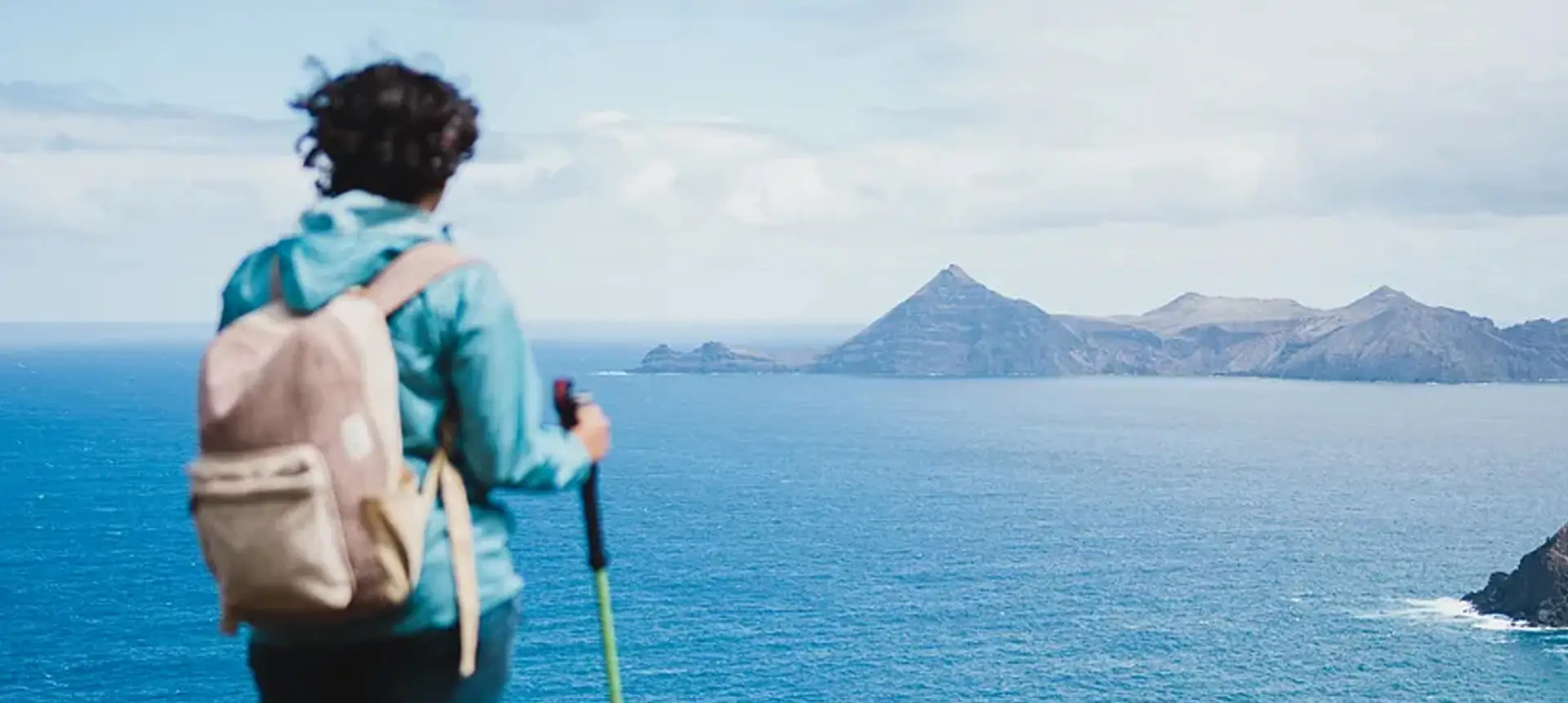
With this change for a primarily digital audience, the direction you see here shows how values will be moving forward – less ‘performance’ and more ‘presence’.
Why Travelers Are Slowing Down
Enthusiastic exploration is not happening right now due to an ongoing frenzy of fast-paced journeys. This generation of travellers has grown tired of constantly going from one attraction to another. Instead, a renewed interest in taking it slower and experiencing local life has emerged. Less hurried trips allow for greater opportunities to relax while taking time to truly savour all that is around them.
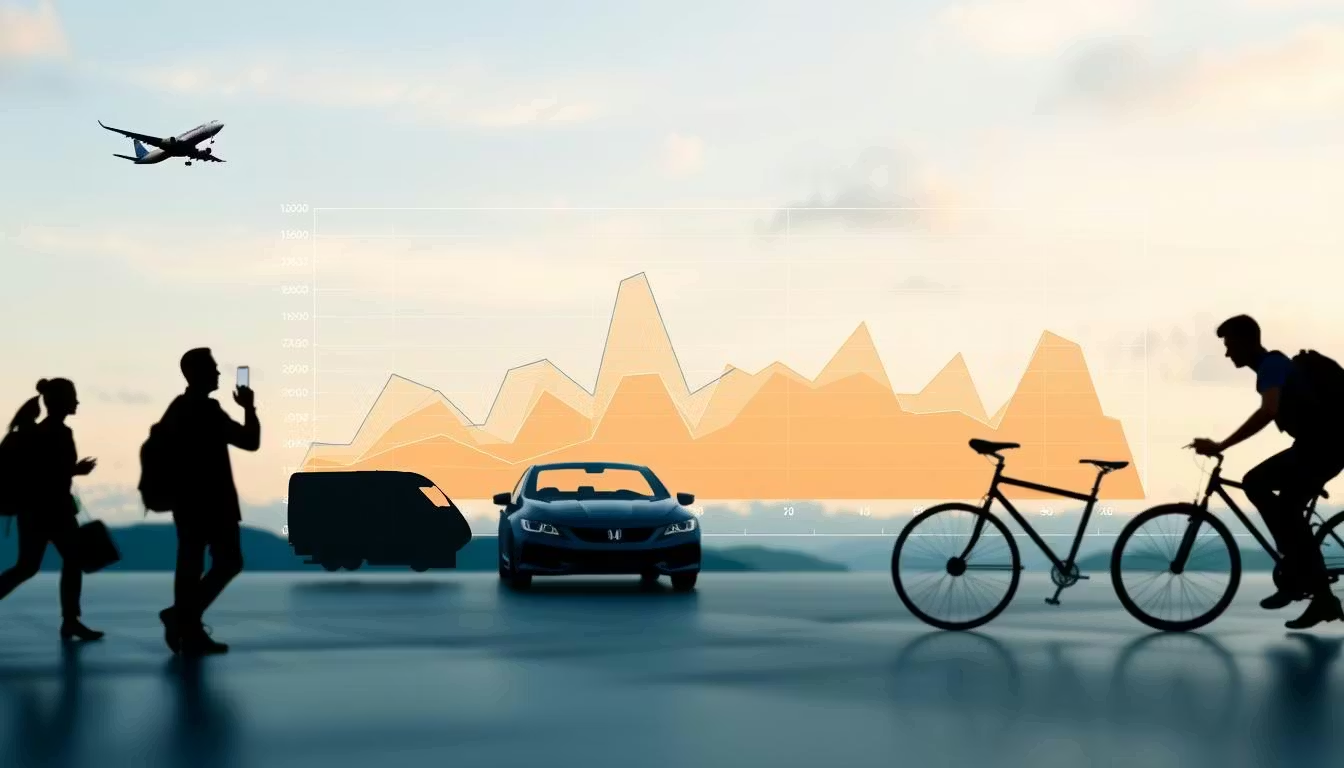
As well, there is also a strong environmental impact associated with long-term stays. Travelling to fewer destinations and choosing alternative methods of transport can contribute significantly to reducing emissions associated with travelling by plane. In fact, the data surrounding this issue suggest that the majority of carbon emissions associated with travelling are created through air travel; therefore, it is possible to greatly decrease one's carbon footprint if you choose trains or buses over planes.
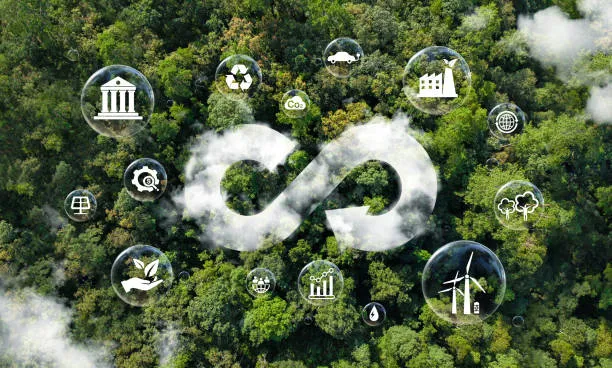
Community Engagement Is Becoming the Point
This trend's appeal is that travelers want to have a community-focused experience rather than just looking for a beautiful landscape. As a result, there are many ways that travelers will find ways to experience community, including staying in locally owned hotels, participating in food classes, engaging in cultural activities, and purchasing products or services from local businesses, which helps generate jobs and support the community.
The change in the way travelers choose to spend their money has significant ramifications for the travel industry's economics. When travelers choose local guides, family-owned lodgings, and local restaurants and shops, they are helping to retain more of the revenue from their travel activities in the area. This provides a greater sense of satisfaction to travelers while also providing a greater economic impact to the communities that host them. Given the benefits that each of these options provides to travelers and their respective communities, this trend is one of the reasons why destination marketing organizations are focusing on local community-based tourism experiences to help improve the sustainability of travel.
The Business Case Behind the Shift
This isn't merely a narrative about values; it is also a way to position the tourism sector. The character of the consumers who seek responsible travel aligns with their length of stay and how much money they will spend on experiential purchases. In addition to this information, consumers also want to see brands as authentic by way of local partnerships and great design when considering a travel brand versus others only by means of volume.
Another reason why travel operators are beginning to deliver packages with experiences that focus more on immersion than on sight density is because a shorter checklist may be easier to market, but a meaningful itinerary/experience is frequently made to matter much more through developing strong customer loyalty and word of mouth. Given that digital reviews and social proof play an increasing role in creating demand, having that type of emotional tie has much more significance in the context of travel.
Why This Feels So Relevant Now
As the trend of slow travel continues gaining popularity, many individuals are also reassessing the meaning of “value”—especially given the high cost of travel and limits of time for attention. In fact, many people feel that the value of traveling in a way that is restorative, relaxed, and eco-friendly far outweighs the cost of traveling in a manner that causes you to be tired and stressed after making just two airport transfers and taking six pictures of various attractions.
Another reason for the continued growth of this trend is that the format of slow travel is highly compatible with today’s online content styles that promote storytelling through depth of narrative; long form reels, creator diaries, neighbourhood guides, etc. While the visual quality of slow travel will be appealing, it is mostly also going to be appealing because of the honest emotion behind it.
What Destinations Need to Get Right
The opportunity is great for destinations; however, responsibility also comes with that opportunity. It is not enough for community engagement to simply be another layer of marketing added to existing tourism models. Community engagement works the best when the people who live there have an actual voice in shaping how tourism occurs and when commitments made about environmental practices are backed with active participation in protecting and/or restoring environmental integrity.
Thus, there needs to be more investment in local suppliers, consideration of the cultural context of the area, and a lack of continuously packaging communities as experiences without giving value back to that community. The most successful destinations will develop a way to have guests be participants in the community rather than observers. Although this would be a slower way for a visitor to enjoy their stay at a destination, it would ultimately create a more solid foundation for how tourism operates.
Slowcations are not about travelling less; they are about travelling in a more mindful manner- being more mindful of the impacts related to the environmental, socially beneficial nature of the experience, as well as the connection one has with the people in the areas where they are travelling. Therefore we will increasingly see quality of experience as the primary differentiator in terms of how the business of travel to destinations continues and moves forward.
Latest Posts