
The Rise of the Slowcation and Shifting Travel Focus from Sightseeing to Community Preservation

Slowcation means spending time living among local residents by shopping at local markets, eating traditional food, and participating in various activities happening among the local community members. Therefore, it will be simple to understand more about the destination you are visiting.
Many people are increasingly turning towards travel because they wish to escape from the stresses and screen-related issues that come with modern life. When one travels, he or she wishes to stay away from thinking about their everyday duties and keep their mind in relaxation activities. Vacationers would also want to spend some quality time with themselves. The concept of a slowcation entails being patient and engaging in what one is doing.
Why Travelers Are Moving Beyond Sightseeing
Modern travelers do not simply want to photograph the locations anymore; nowadays, tourists want to experience more from travels. People travel now to engage themselves in local culture and meet up with the locals. Modern-day tourists do not want only visit the museums or other tourist attractions. They also want to learn something about the place that attracts their attention. Tourists are interested in local culture, traditions and history.
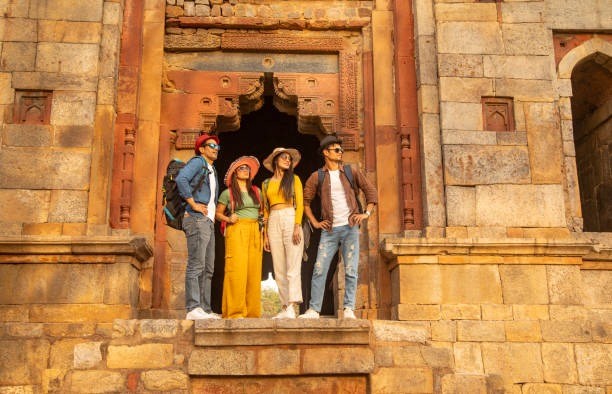
There is a trend that helps to achieve this goal – slow travel. While traveling slowly, tourists are able to participate in local festivals, craft workshops, cooking classes or even have discussions with local residents. All these activities enable tourists to gain unforgettable experience that is more valuable than visiting the tourist attraction sites. Therefore, it is important to slow down while traveling to observe the place thoroughly. It gives tourists the ability to understand more about people and their culture.
Community Preservation Becomes a Travel Priority
An influx of tourists leads to serious issues, which include stress among the locals, the damage to the environment, the high prices, and an impact on the local culture. Thus, when there is a lot of tourism in certain areas, it negatively affects both the people who live in such areas and their culture.
However, those people who engage in slow travels behave quite differently. For instance, tourists who stay somewhere for some time often prefer to use local products, visit family hotels, support the locals’ crafts, and take part in organized community activities. Eventually, money they pay would benefit the community, not the huge tourism corporations.

During their stay at a particular location, tourists discover its problems and understand the importance of supporting the community’s culture, preserving the local culture, and respecting nature. Hence, it becomes evident that the main advantage of the mentioned trend is community preservation.
Environmental Benefits of Slower Travel
The issue of environmental sustainability poses itself within the tourism industry. People become concerned about climate change and tourists wish to decrease their negative influence on the environment through their travels. The slow travel movement becomes an alternative approach to this issue as traveling becomes limited in terms of volume yet increased in duration and does not include constant moving from place to place.
When people stay at one destination for some period of time, flying and traveling long distances becomes less frequent. Usually, slow travelers prefer walking, cycling and public transportation and hence reduce CO2 emissions. In addition, slow travelers are concerned about their accommodation at eco-hotels and consumption of local foods and involvement in conservation. By choosing such practices slow travelers form a demand for sustainable tourism. Hence, destinations start making efforts in environmental protection while attracting tourists and providing them with pleasant visits.
How Destinations Are Adapting to the Trend
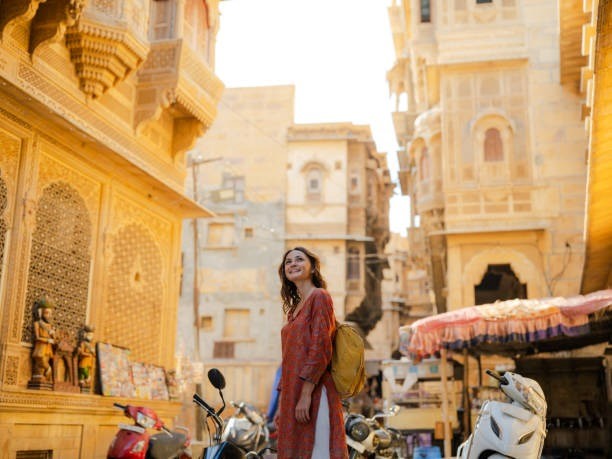
Tourism boards and city administrations have become aware of the rising popularity of slow traveling. Thus, they are adapting strategies in order to make travelers feel content with their experience and educate them more about the cultural aspects of the region. The goal of such cities is not just attracting tourists. They need to make them spend more time and understand better the traditions of a particular location.
It should be noted that rural communities and small cities benefit from such changes. They provide lots of interesting destinations including cultural experiences and natural spots where people may communicate with residents. As a result, tourism advertising campaigns focus on customs, cuisines, arts, and activities carried out by locals. There are options such as staying at luxurious resorts, eco-houses and even living together with some locals. In addition, slow traveling refers to tourism which is sustainable and therefore successful for all parties involved.
The Future of Community-Centered Travel
People’s perceptions regarding travel are gradually being transformed because of slowcations. Instead of viewing travel destinations simply as commodities to be consumed and bought, people are coming to realize that destinations can actually represent communities with which it is possible to connect, contribute, and even learn from. These perceptions are important to helping people appreciate cultures and protect the environment as they meet others during their travels.
As many number of people engage in such travel, it is likely that destinations which are welcoming, maintain their architectural heritage, and whose way of life does not negatively influence the environment will become popular travel destinations. Indeed, people are becoming aware of the need to have moments in their travels when they settle in and explore a destination in depth. While visitors experience more joy and memorable travel situations, local people earn incomes and preserve their unique cultural heritage. It is thus expected that in the near future, the travel industry will focus less on how we travel but more on how deeply we connect with our travel destinations.
Conclusion
This slowcation trend proves that travelers are opting to lead intentional lifestyles, making more mindful decisions. They are not just interested in rushing through sightseeing anymore but rather in experiencing the destinations. Thisisassisting in making the transformation oftourism into a responsible form of it.
Preservation of the community, Appreciation, Environmental conservation are now important priorities, for tourists and destination communities. It is time to recall the importance of such vacations when you really enjoy the journey through your trip.
Latest Posts