
The Science of Sunscreen How to Choose the Right Protection for Your Skin Type
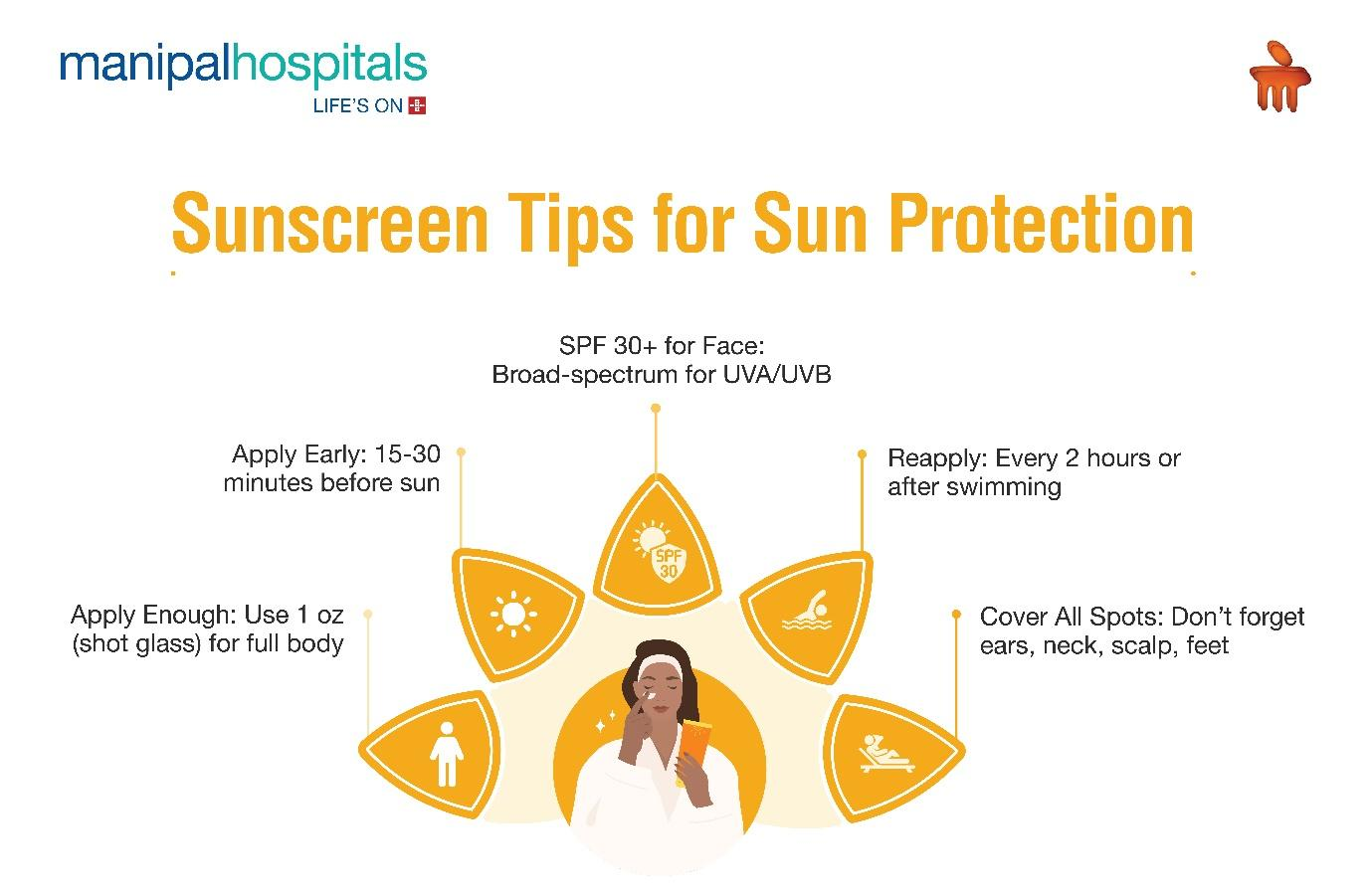
UV rays are present every day; UVA (which causes skin aging) makes up 90% of the damage we see on our skin; while UVB (which causes sunburn) peaks in intensity between 10 AM and 4 PM. Sunscreens labeled as “broad-spectrum” protect against both types of rays; SPF 30 sunscreens block approximately 97% of UVB rays, while SPF 50 blocks approximately 98%. It has been proven by science that there are diminishing returns above SPF 50, so use a sunscreen consistently, rather than seek out an SPF 100+.
Chemical vs. Mineral Sunscreen: Science for Sensitive Skin
Chemical sunscreens absorb UV rays through avobenzone and octinoxate, converting them into heat. They are lightweight and invisible and typically take 15 minutes to activate. Because they can irritate reactive types of skin, you may experience this problem from your sensitivity. They can also cause clogged pores in the T-zone area or redness after typical winter dryness skin. EU laws are restricting some chemicals, such as oxybenzone, due to hormone disruption and reef issues.
Mineral sunscreens with zinc oxide/titanium dioxide are different in that they reflect harmful rays off the skin's surface, and work immediately. They are the best choice for sensitive skin. Zinc is considered non-comedogenic and also has anti-inflammatory qualities, so it soothes dry patches without causing pore problems. Modern micronized formulas are also tinted, so there will not be a white residue on the skin after application. Some studies show that zinc provides 30% more rosacea flare up reduction when compared to chemical filters.
Your best option is to wear a mineral-based SPF 30-50 daily. You will receive complete and true broad-spectrum protection from the sun without any side effects when using a mineral-based sunscreen.

Decoding Labels: SPF, PA, and Real-World Use
Sunscreens protect from UVB rays using the Sun Protection Factor (SPF) method. The highest level of protection for UVA rays has four plus signs (PA++++). All sunscreens have a water-resistant feature, which is effective for 40 - 80 minutes. Sweat and rubbing remove this protection. It's important to note that the average person only puts about one-third (1/4 tsp) of the required amount of sunscreen on their face and neck. Sunscreens should be reapplied every two hours when outdoors, and can be mixed with moisturizers for indoor use. Photoaging typically costs an individual over $500 each year on treatments; using a daily sunscreen can reduce that possibility by half.
Finding a Sunscreen for Combination-Skin
1) Protecting the Oily T-Zone
Use a matte mineral gel sunscreen such as La Roche-Posay Anthelios Ultra-Light SPF 50. Zinc provides a buffer from shine, and will not leave an oily residue or film. Niacinamide serums will aid in balancing oil production.
2) Hydrating Dry Cheeks
Avoid grease and heaviness with a sunscreen containing hydrating L-CC (ceramides) (CeraVe Hydrating Mineral SPF 30) or with hyaluronic acid (plumping) under your makeup.
A Three-Step Approach to All-Day Protection
Combination sunscreens containing Tinosorb provide the benefits of chemical and mineral-based sunblocks for maximum flexibility. Budget $15 - $25 on the combination sunblock (monthly; two different textures; i.e. winter/summer).
Trends for 2026
- Natural sunscreens are replaceing sunscreens with that can cause hormone disruptors or chemicals.
- High-end stores or department stores will have primarily reef-safe zinc-based sunscreens.
- Antioxidants (especially vitamin C) are a stable ingredient found in sunscreens to combat urban pollution; therefore, consider purchasing a sunscreen with this ingredient.
Patch-test always. Your skin is the only way to determine the best brands and products for your skin (not by what some influencer says).
Companies Are Using Sunscreens to Make Money
Sunscreens provide more than personal care; they generate considerable revenue for companies.
- Dermatological clinics indicate that users of daily, consistent sunscreen have a 40% lower rate of melanoma than those who do not, resulting in long-term savings of approximately $150,000 per patient for the treatment of melanoma.
- Beauty companies also benefit from sunscreen sales. Typically charging, on average, a premium of 25% over chemical sunscreens. Consumers are willing to pay for “reef-safe” mineral sunscreens, resulting in brands like Supergoop and Drunk Elephant doubling their revenues.
- Retailers are now stocking tinted mineral sunscreens in their cosmetics section, which have increased retail basket sizes by an average of 15%.
Investors should pay attention:
- The mineral sunscreen segment of the beauty market is estimated to grow at a CAGR of 12% through 2030, which is greater than the projected growth rate for the overall skincare market.
- Gen Z, who are more likely than older generations to prefer mineral-based skincare products (70%), is contributing to the estimated $2 billion growth in luxury personal care products.
- The increased demand for zinc oxide in Asia has led to a 20% increase in the reclamation of zinc oxide through supply chains over the past 12 months.
- Many new companies are adding antioxidants to their SPF products, resulting in 5x valuations on new startup companies; VCs are now looking for regulatory barriers from EU Clean Beauty bans over the next year.
Pharmaceutical companies are protecting their proprietary SPF-infused products by licensing new SPF products that contain stabilized filters; insurers are bundling apps for their insured members to encourage them to reapply their sunscreen at regular intervals. The science of sunscreens has created a relationship of loyalty and revenue for consumers.
Your Daily Plan: Simple Science Wins
Consistency beats intensity every time.
- In the morning, apply mineral SPF 30+ (zinc-based) after moisturizer—1/4 tsp face/neck. Let settle for 2 minutes.
- At night, gentle cleanse (ceramide wash), barrier cream (CeraVe PM). No activities post-6pm.
- Weekly: Derm apps like SkinVision track moles; log hydration levels.
Your skin is protected which builds confidence, saves you from using $500 lasers, and saves you thousands over many years. Your routine compounds.
Latest Posts