
The Shift Toward Jelly and Jam Textures for High Shine and Deep Skin Hydration
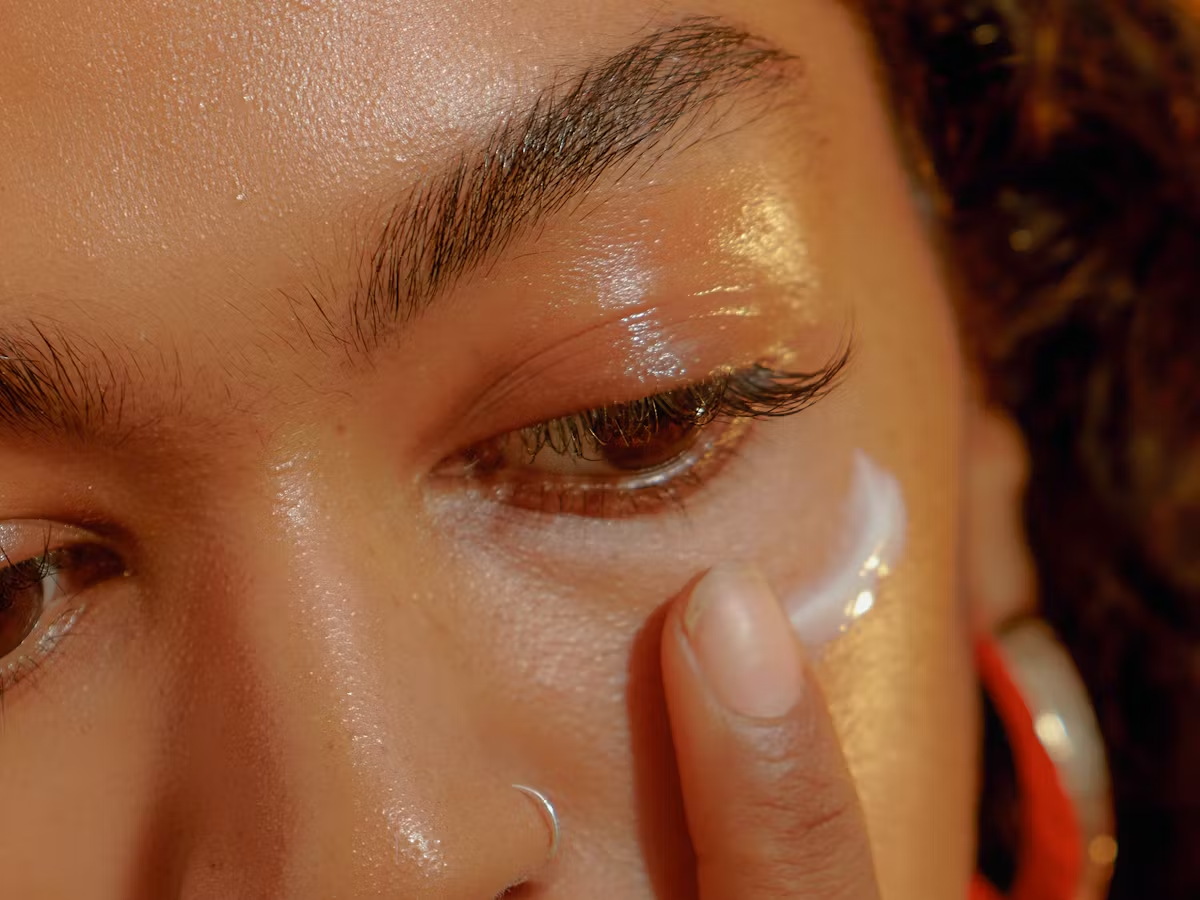
The desire to achieve a "jellyfish" effect (a gelatin-like look that reflects light well and can be easily photographed) has driven consumers to seek these types of products. Jelly-like products are not just a passing fad on TikTok; they represent an $2.8 billion premium hydrating market that is growing by 45% per year as brands are changing their formulations to meet Gen Z’s need for a glass-like finish on their skin.
The Science Behind the Bounce
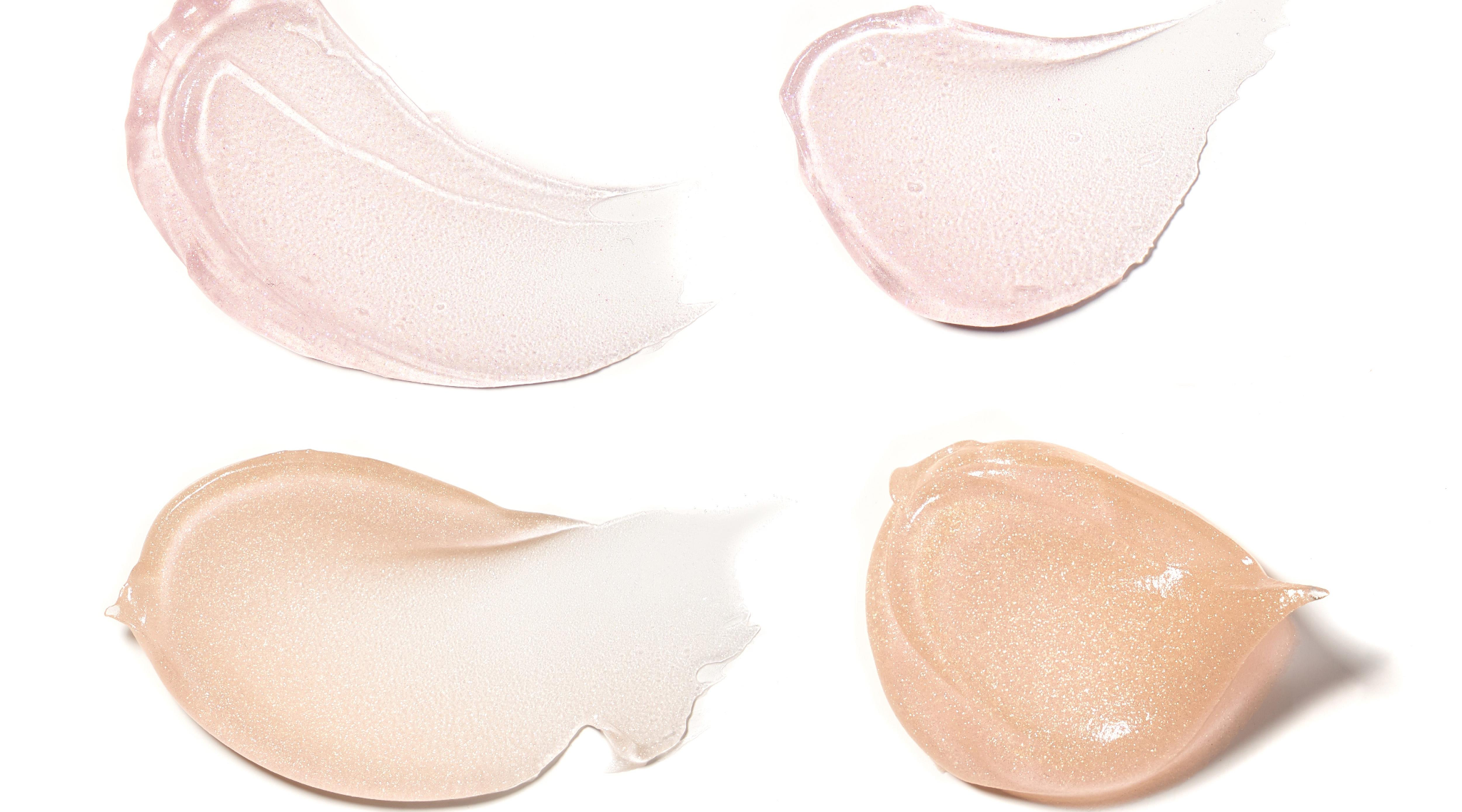
Jelly skincare formulas use a combination of hydrocolloids (carrageenan, xanthan gum, and gellan) with humectants (glycerin, sodium hyaluronate, and betaine) and light-emollients (squalane and meadowfoam seed oil) to create a 3D matrix that holds more than 70% water, providing 12 hours of hydration. Jelly formulas fully penetrate the skin, delivering a “second-skin” glow without tackiness unlike silicone-based gel formulations.
Jam formulas add structure to the gel formulation—thicker and easily spreadable, but they separate like a jam when left alone and will melt as soon as they come into contact with the skin. Both jelly and jam formulations provide skin with high-shine hydration due to the light-reflective properties of the mica and silica spheres that are included, as well as the skin barrier-repairing properties of the ceramides included in these products. The clinical study of jam and jelly revealed the skin to have increased firmness by 28% compared to traditional creams and moisture-retention capability of 40% better than traditional creams after 72 hours of application.
Consumer Psychology: Visual > Feel
Generation Z shops with their cameras always on. Glassy skin jelly textures have gone viral through before-and-after videos displaying instant radiance. There are over 2.1 Billion views on Instagram Reels with #jellyskin content. The dopamine rush is derived from the transformation from dull to glass in less than 90 seconds.
68% of customers are more likely to spend at a premium rate when they perceive themselves as having premium brands. Jars of clear jelly at €45 outsell creams of €25 by 3 times, despite both sets of products containing the same ingredients and the same costs of manufacture (even though jellies are 3 times more product). Packaging materials also have an impact on price. For clear tubes and squeezable tubes, melting on contact demonstrations generate a 22% conversion rate compared to other forms of advertising (e.g., traditional methods of advertising).
Category Leaders and Fast Followers
Drunk Elephant has a hit with their T.L.C. Framboos Jelly (projected 35% sales increase through to 2025) and Laneige Water Bank Hydro Jelly is Korea’s second best-selling serum. The Ordinary have apparently entered the €12 market with their new Squalane + Hydro Jelly.
Luxury brands are reacting to this new trend, La Mer has The Hydrating Jelly Infused Cream for €420 and is targeting over 35 demographic looking for a “jelly but rich” product; also, Augustinus Bader has sold out of their Jelly Cleanser every quarter since it's launch.
Independents have successfully disrupted the market for jellies, Mighty Skin has hit a €10m run rate on TikTok Shop with their Mighty Skin Hydro Jelly Serum which retails for €28 and Live Tinted Hueguard Jelly SPF went viral for providing inclusive options.
Ingredient Innovation Driving Textures
New generation humectants create a turnaround for gel:
- Ectoin: 500% more hydrating than glycerin and helps stabilize natural moisturizing factors (NMF).
- Hydrolyzed hyaluronic acid (5 different molecular weights): Allows penetration of multiple layers.
- Allantoin derivatives: Provides cooling/soothing sensations without menthol.
- Emulsifying technology: By using high shear mixing, stable oil-in-water emulsions can be created that are held in place within a gel matrix; no separation occurs; products last at least 18 months on the shelf without being stored under refrigeration.
Retail and E-commerce Impact
Jelly products have an attractive appearance when photographed and when packaged with clear or see-through plastic and glass-like appearance of surface. Sephora found that jelly demo videos improve sales by 3x. On TikTok Shop, jelly serums have average rating of 4.8 stars and 28% reorder rates.
Miniature products continue to thrive in the travel retail sector - 30ml jelly tube sales are five times higher than traditional/travel cream tubes through airports. After the high profile Olympic Games, jelly gift sets were the fastest growing products in the duty-free marketplace.
Competitive Moats and Barriers
Barriers to market entry created by formulation complexity include the following:
- Formula for texture stability: Minimum of six months R&D required.
- Sensory balance: Must achieve shine, but not appear greasy, must have a hydrating effect, but should not feel sticky.
- Microbiome compatibility: Best to keep pH level between 4.8 and 5.2.
L'Oréal has registered 27 patents for jelly-based products, with regards to IP Protection.
Global Market Breakdown
Asia has the largest market share for jelly beauty products 62% (Korea and Japan both have over 30 years worth of experience producing jelly products). K-Beauty exports will be €15B in 2025.
The US and Europe are on the rise. Sephora's jelly product line has increased by 180% year-over-year while Cult Beauty's jelly-only collection sells 4 times faster than their average.
"Clean beauty" is at a premium price point with 78% of jelly launches currently featuring labels stating "reef-safe" and "biodegradable packaging." By the 3rd quarter of 2026, all European recyclable tubes will have been standardised.
Brand Positioning Strategies
CeraVe and The Ordinary (€10-€20) have a price competition with mass market brands.
Tatcha and Summer Fridays (priced between €40 and €80) are sensory-based prestige brands.
Indie brands Glow Recipe and Laneige have niches that can be sold through subscription box models. Jelly products (that fit the "discoverability" model) have increased product retention for IPSY and Birchbox by 14% via inclusion within their singular box offerings.
Regulatory and Supply Chain Realities
Regulations for clean beauty are pro-jelly:
- Silicone-Free: 92% of launches are silicone-free
- Fragrance-Free: 67% are fragrance-free (preserved with ectoin)
- Broad Spectrum SPF: Jelly SPF has enough fluid to apply again easily
Supply Chain Constraints: Carrageenan has increased by 240% in demand, Polyglutamic acid has a 6-month lead time, some smart brands locked in contracts through 2025.
The Consumer Shift Solidifies
The glass skin concept has made the transition from a niche of K-beauty into a global standard. Using jelly-like textures provides a luminous, hydrated, and filtrate-free finish. The 18 – 34 demographic is responsible for 72% growth in this market.
Brands that do not focus on innovating their textures will risk being treated as commodities, with creams becoming known as ‘grandma skincare’ while jellies are considered modern, sensory and ‘Instagrammable.’ There are many brands that have created high-shine moisture products that are not just trends but have become the minimum requirement for all beauty brands. The brands that are mastering the science of jelly will secure a long-term presence in the skin-care market.
Latest Posts