
The Silent Budget Killer How Small Subscriptions Are Draining Your Savings Without You Noticing

Recent results indicate that American households have an average of $2,628 ($219/month) in total monthly service subscriptions across 12 or more providers. Furthermore, the average working professional is now paying an extra 20-30% for work related services compared to those with no job. Therefore, if you are running your company, this is not just a minor expense—it is a large decrease in your overall margin that can be corrected immediately.
The Subscription Trap's Perfect Design
Many subscription companies design their pricing structures to control habitual use of their services. For example, it seems like a no-brainer to pay $15.49 for a basic Netflix subscription—so what’s the harm? If you add:
- Creative Services like Canva Pro ($14.99)
- Writing Tools like Grammarly Premium ($12)
- Commerce Apps like Notion AI ($10)
- Email Productivity Tools like Superhuman ($30)
All of a sudden, you hit $83 before you even have lunch, multiply this by 12 (the standard number of months in a year) and you've just spent $1,000 in subscriptions before telling anyone about it.
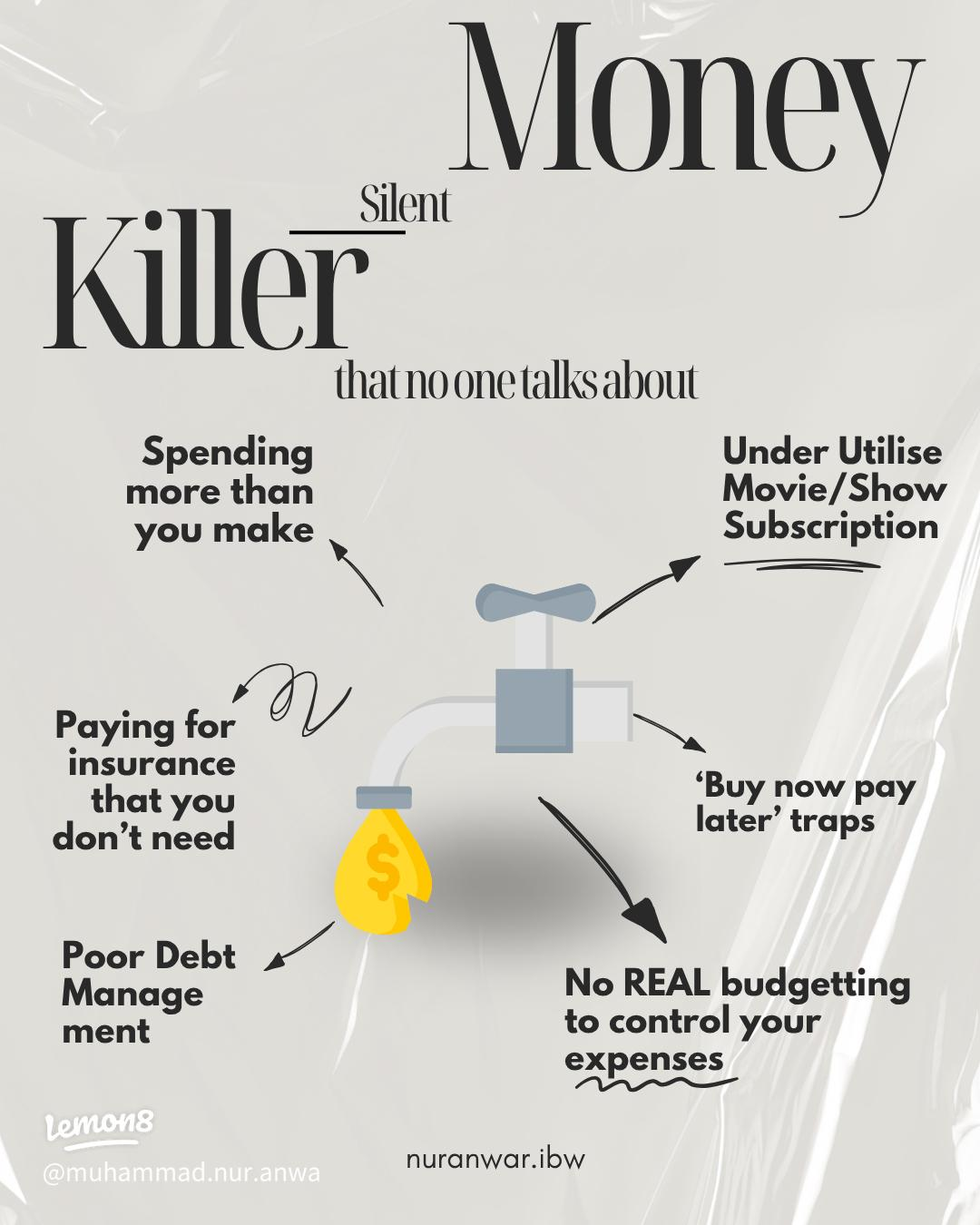
Most people also aren’t aware that they tend to rely on "cognitive offloading," where they place the responsibility for remembering a task on an outside source (e.g., autopay). Autopay eliminates the potential for friction in your decision process, so it becomes almost automatic when you receive your bill each month. Additionally, many people are also affected by the concept of the "free trial," where they don’t think of cancelling their subscription until after they have used it for several weeks or months because they’ve forgotten they ever signed up for it.
By bundling services together (e.g., Disney+/Hulu/ESPN+), many people only remember paying their monthly subscriptions to the entire bundle rather than each individual service. Rocket Money found that 42% of Netflix subscribers forget that they are signed up for a subscription service entirely!
These complications also have long-lasting effects on businesses, as well. For example: if you have five designers working for an agency, each with a subscription to Adobe Creative Cloud at $20/month, the combined cost for that team would be $1,200 per year. Multiply this by every tool they use, every department involved (design, development, etc.) and eventually, what began as a "productivity investment" will become almost an automatic expense.
The Categories That Bleed Most
Cloud-based software is leading the way. Experts have 8-12 software subscriptions (i.e Zoom: $15; Slack: $8/user; Loom: $10; Figma: $12; Airtable: $20, etc.). McKinsey reports that knowledge workers lose $1800/year because of multiple unneeded or redundant pieces of software.
Content and services are following suit: MasterClass $15; Audible $15; Peloton's app $13; iCloud+ $10; various news aggregators at $8, etc. This may feel disconnected, but each subscription focuses on the same top business executive audience.

Some of the subscription fees we have been paying can impact us financially but are not readily available to see. For instance, the cost of subscribing to Udemy course access was $19.99 per month in 2019, and the gym app I bought when I could not go due to COVID-19 cost $14.99. The Bank of America said that over time the cost of residual subscriptions has increased; on average, 32% of all subscription services provide zero value to employees each week.
The Shocking Annual Math Results
- Personal subscriptions averaged $1,800 for 12 (avg $12.50 per month) = $2,400; Work tools averaged $25 (8 tools), so $800; Family/shared subscriptions averaged 16 (4 subscriptions), resulting in a yearly total of $5,000.
- Business scale: 50-person company ... 3 subs/person x $20/month = $36,000/yr spend that is subject to review. Fortune 500's throw away $15M to $20M every year according to Deloitte.
- With compounding impact, $5,000 is equal to 2% of a household income of $250,000 or 1.5% of the EBITDA margin on $5,000,000 of ARR for a SaaS company, and is invisible on a monthly basis but glaring as an annual expense.
The 15-Minute Audit That Pays Forever
Step 1: Survey (5 minutes)
- Bank/Credit Card - "Recurring Filter"
- App Store/Play Store - "Subscriptions" Tab
- Email Receipt & Service Name combo search
Step 2: Value Scoring (7 minutes)
- 1-5 rated - "Would I pay this amount today for [service] for 1 week?"
- 1-2 - Cancel
- 3 - Downgrade/Annual Subscription
- 4-5 - Keep and Set 90 Day Revaluation Period
Step 3: Automate (3 minutes)
- Set up RocketMoney or Trim ($5-10 per month) app to flag any subscription you forgot about.
- Set Bank Alerts to notify you of [service] payments greater than $10 being charged as recurring payments once a month.
- Schedule quarterly blocks of time on your calendar to perform "Subscription Audits."
- Prior expectation is to reduce subscription costs by 35-50% on the first review.
Enterprise Playbook: Scale the Savings
Team sprawl is a killer of productivity. For example, one designer uses 12 different tools. If that same designer operates from 50 seats, their total annual cost is $72,000. The centralised procurement authorities have outlined new mandates to reduce waste and hold users accountable: only 5 approved tools per function; all staff must submit a usage report on a monthly basis; and a minimum of 15% to 25% discount will be given for annual billing.
Zapier and HubSpot are able to automatically notify teams when they have unused licenses and Glean can help identify "ghost accounts". An analysis performed by the Harvard Business Review shows that there is 28% waste among the licenses issued to Fortune 1000 companies.
The Bigger Cashflow Signal
When we have small subscription fees that are costing us money per month eventually will lead us to make larger and more costly decisions in the future such as being tied up with one vendor.
- To correct this problem with subscriptions means learning how to make better decisions:
- Quarterly review of "Would I buy this again?" across all vendors
- Develop a Net Promoter Score for tools used inside your organisation
- Understand how much impact a 5% cut in original cashflow will have
If I save $5,000 personally then I save $50,000 to the business; this is not an expense reduction; it is an expansion of margin. When you analyse your inbox, you will also find a similar analysis of the income statement. You use the same muscles to achieve both.
Latest Posts