
The Skin-Flooding Trend Explained Why K-Beautys Latest Obsession Actually Works
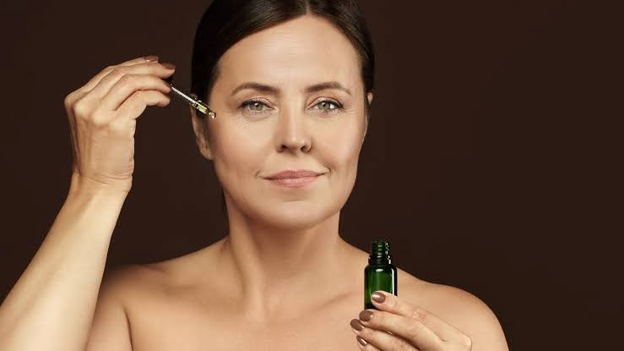
Popularized through the wider K-beauty philosophy of layering lightweight skincare products, skin flooding focuses on giving the skin plenty of hydration through carefully layered products. The goal is simple: instead of relying on one extremely rich moisturizer, you build hydration gradually, allowing different products to contribute water, humectants, emollients and barrier-supporting ingredients.
The result is skin that feels plumper, softer and more comfortable, rather than simply coated in a thick layer of cream. And while “skin flooding” may sound like another social-media invention, the basic science behind it is actually well established.
What Is Skin Flooding?
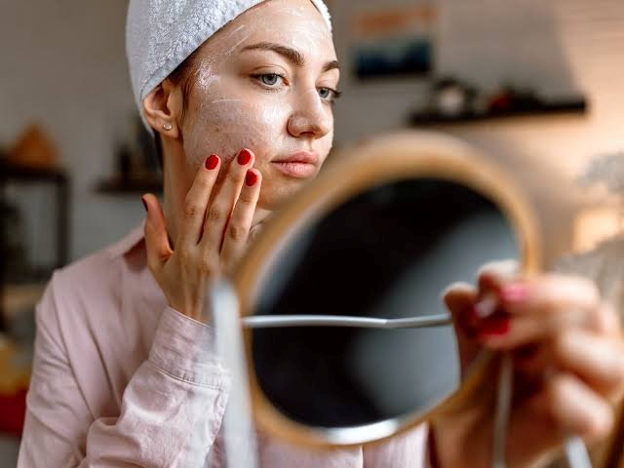
Skin flooding is essentially a skincare layering technique designed to maximize hydration. The routine usually involves applying products from lightest to heaviest consistency. A typical routine may include a gentle cleanser, hydrating toner or essence, serum, moisturizer and, during the daytime, sunscreen. The key is not using ten different products. It is about applying compatible hydrating products in layers so the skin receives moisture without necessarily feeling greasy or overloaded. This concept fits naturally into K-beauty, where skincare is often approached as a long-term process rather than a quick fix. Instead of aggressively exfoliating or constantly introducing powerful actives, the emphasis is frequently placed on hydration, skin-barrier support and consistency. Think of it as giving your skin several small drinks of water rather than trying to make one giant glass do all the work.
Why Does Skin Flooding Work?
The science comes down to skin hydration and the skin barrier. The outermost layer of the skin, known as the stratum corneum, plays a crucial role in preventing excessive water loss. When this barrier becomes compromised, skin can become dry, tight, flaky or irritated. Humectants such as glycerin, hyaluronic acid, panthenol and urea can attract and hold water in the outer layers of the skin. Emollients help smooth the spaces between skin cells, while occlusive ingredients help reduce transepidermal water loss. Skin flooding brings these functions together through layering. For example, a hydrating essence can provide water and humectants, while a moisturizer can add emollients and occlusive ingredients that help keep that hydration from escaping too quickly. The approach is therefore less about “flooding” the skin literally and more about supporting the skin's ability to retain hydration.
The K-Beauty Connection
K-beauty has played a major role in popularizing hydration-focused skincare routines around the world. The Korean skincare philosophy often emphasizes maintaining healthy-looking skin through prevention and consistent care. Ingredients such as centella asiatica, snail mucin, ceramides, green tea, rice extracts and hyaluronic acid frequently appear in products designed to soothe, hydrate or support the skin barrier. The famous Korean “glass skin” aesthetic also helped drive interest in deeply hydrated skin. But there is an important distinction. Glass skin is primarily an appearance goal, while skin flooding is more accurately described as a hydration technique. You do not need an elaborate 10-step routine to achieve well-hydrated skin. In fact, adding too many products can sometimes backfire, particularly if several contain fragrance, exfoliating acids or other potentially irritating ingredients. The smartest version of skin flooding is therefore the simplest one that works for your skin.
How to Try Skin Flooding at Home
You do not need an entire new skincare shelf to experiment with the trend.
Step 1: Start With a Gentle Cleanser
- Clean skin provides a better base for the rest of your routine.
- Choose a cleanser that removes sunscreen, makeup, excess oil and daily buildup without leaving your face feeling tight or squeaky.
- That “squeaky clean” feeling is not necessarily a sign that your cleanser is working well. It can sometimes indicate that too much oil has been removed.
Step 2: Apply a Hydrating Toner or Essence
- This is where the flooding effect really begins.
- Apply a lightweight hydrating toner or essence to slightly damp skin. Look for ingredients such as glycerin, panthenol, beta-glucan or hyaluronic acid.
- You can apply one layer or, if your skin enjoys it, a couple of thin layers.
- There is no prize for reaching seven layers.
Step 3: Follow With a Hydrating Serum
- A serum can add another layer of targeted hydration.
- Hyaluronic acid is a popular choice, but it is not the only option. Glycerin, panthenol and beta-glucan can also be excellent ingredients for supporting hydration.
- If your skin is sensitive, this is a good place to keep things boring—in the best possible way.
Step 4: Lock It In With Moisturizer
- A moisturizer helps reduce water loss and supports the skin barrier.
- For oily or acne-prone skin, a lightweight gel-cream may feel more comfortable. Dry skin may prefer a richer cream containing ceramides, squalane or other barrier-supporting ingredients.
- The objective is not to make your skin feel heavy. It should feel comfortable and hydrated.
Step 5: Never Skip Sunscreen During the Day
- If this is your morning routine, finish with a broad-spectrum sunscreen.
- Hydration can make the skin look healthier, but sunscreen remains one of the most important daily skincare steps for protecting against UV damage.
- No amount of glass-skin glow can negotiate with UV radiation.
Is Skin Flooding Suitable for Oily or Acne-Prone Skin?
Absolutely—but the technique needs to be adapted. People with oily skin sometimes assume that hydration will make their face even oilier. In reality, oil and water are not the same thing. Dehydrated oily skin can still feel tight while producing plenty of sebum. Using lightweight hydrating products may help the skin feel more comfortable without adding excessive heaviness. Instead of layering multiple thick creams, choose lightweight, non-comedogenic formulations where possible. Ingredients such as glycerin, niacinamide and panthenol can be useful options depending on individual skin tolerance. However, if you are prone to clogged pores, avoid turning skin flooding into product flooding. More layers are not automatically better.
What About Dry or Sensitive Skin?
This is where the trend may be particularly appealing. Dry and sensitive skin can benefit from routines that prioritize barrier support and hydration rather than aggressive exfoliation. Look for gentle products containing ceramides, glycerin, panthenol, squalane or colloidal oatmeal. If your skin is irritated, however, do not pile on multiple new products at once. Introduce products gradually so you can identify what your skin actually tolerates. A compromised barrier needs patience—not a 12-product emergency meeting.
Common Skin-Flooding Mistakes
The biggest mistake is assuming that more skincare equals better skincare. Applying layer after layer of products can cause pilling, irritation or unnecessary exposure to potentially irritating ingredients. Another mistake is combining too many active ingredients with the hydration routine. If your toner contains exfoliating acids, your serum contains retinol and your moisturizer contains additional actives, the routine can quickly become overwhelming. Skin flooding should ideally be about hydration and barrier support, not turning your bathroom counter into a chemistry lab. Also remember that hydrated skin does not necessarily mean permanently dewy skin. Your skin type, climate, genetics and skincare products all influence how your complexion looks.
Does Skin Flooding Really Improve Your Skin?
The technique itself is not a miracle treatment. What makes it useful is that it encourages a barrier-conscious approach to skincare. Well-hydrated skin can appear smoother and more supple because water temporarily plumps the outermost layers of the skin. Fine dehydration lines may look less noticeable, and dry patches can become softer. But skin flooding cannot permanently erase wrinkles, cure acne or replace treatment for dermatological conditions. Its biggest benefit may actually be behavioral: it encourages people to stop chasing instant transformations and focus on consistent hydration and barrier care.
The Bottom Line
Skin flooding may have a trendy name, but the underlying principle is far from gimmicky. Layering lightweight hydrating products can help deliver humectants and supportive ingredients to the skin while a moisturizer helps reduce moisture loss. This makes the technique particularly appealing for people dealing with dryness, dehydration or a stressed skin barrier. The secret, however, is moderation. You do not need a complicated K-beauty routine to benefit from the concept. A gentle cleanser, hydrating layer, moisturizer and daily sunscreen can be enough for many people. Ultimately, great skincare is rarely about doing the most. It is about finding what your skin actually needs and doing that consistently. And perhaps that is why skin flooding has resonated beyond social media: underneath the catchy name is a very simple beauty philosophy—hydrate, protect, support the barrier and give your skin time to do the rest
Latest Posts