
The integration of physical AI in household robotics for autonomous task management
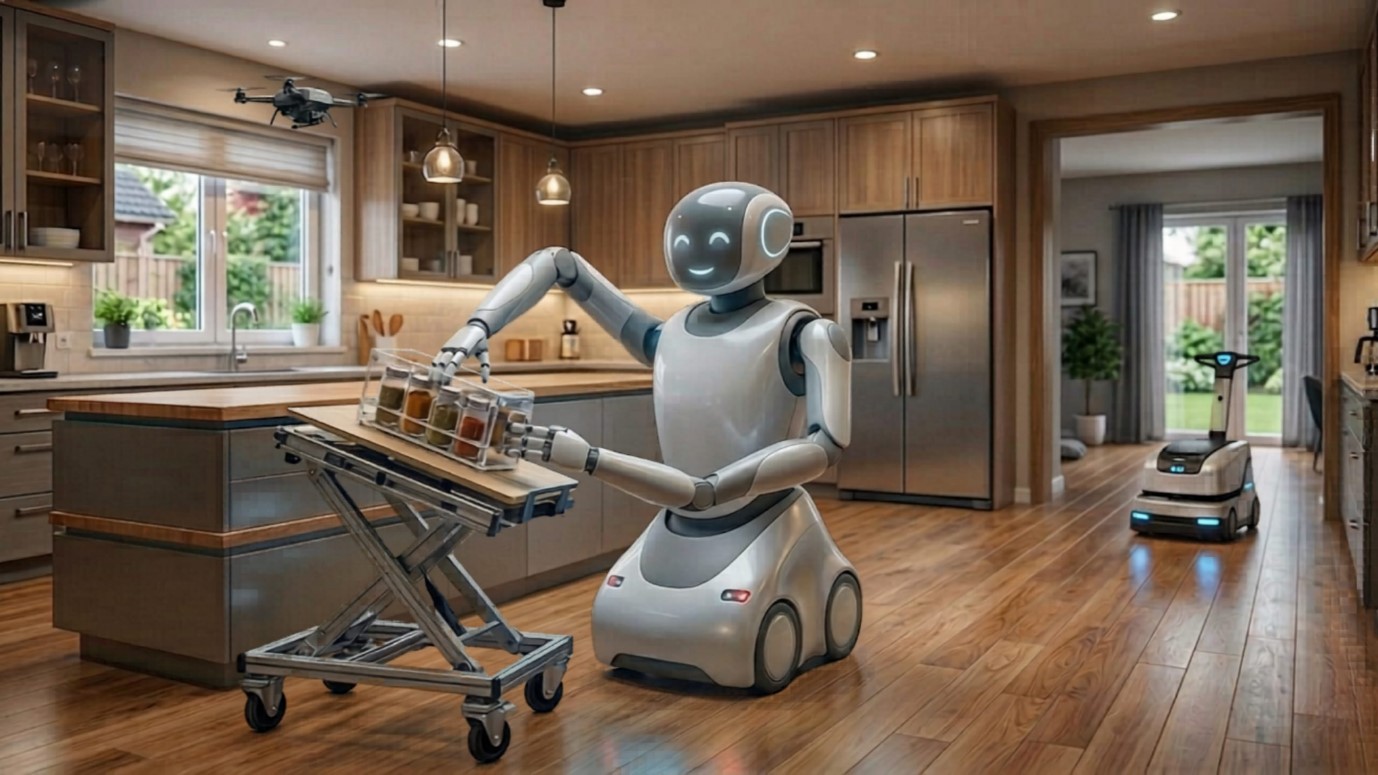
The reason this transition is so necessary to make consumer based robotics a successful market segment is because there are numerous well-documented barriers to the advancement of robotics from pre-programmed automation to fully automated multi tasking capabilities and achieving them has proven to have been very difficult to accomplish.
Why Physical AI Changes the Game
Robots that have traditionally operated as a tool for performing specific, narrow jobs, such as vacuums for vacuuming floors and lawnmowers for cutting grass, have been effective in their capacity as a tool. However, homes are very dynamic environments, and through the use of physical AI technologies, these robots will have the ability to make decisions based on their ability to gather data through sensory input, their ability to understand spatially, and their ability to make decisions regarding the context of that sensory input.
Vision-language-action models make the ability for a robot to be able to interpret requests like "clean the living room" and break that down into the smallest possible steps without the need to have a rigidly defined program that will direct the robot through the task. This makes it possible for robots to respond to the world as it exists rather than as it existed at the time the robot's programming was created.
What Autonomous Task Management Looks Like at Home
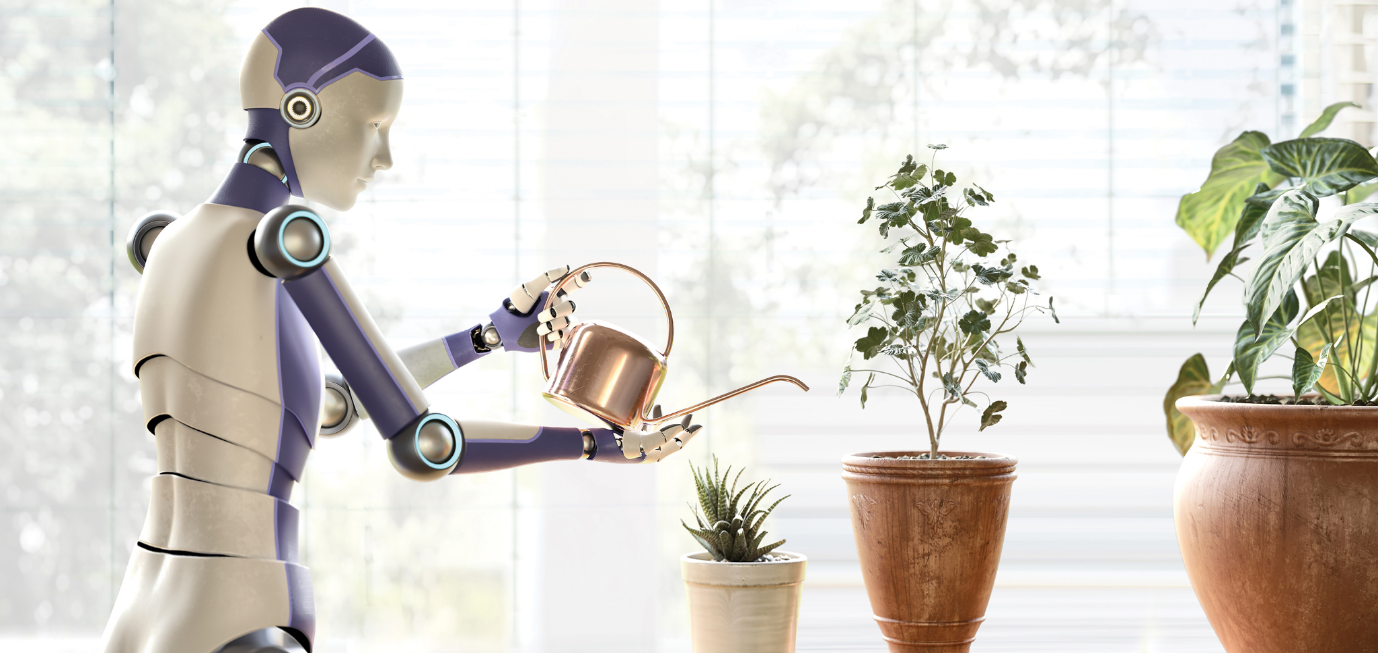
The business opportunity is bigger than just chores; it's about establishing systems in homes that can accomplish tasks with decreasing human assistance over time. Specifically, think about tasks like sorting laundry, retrieving items, picking up items that have fallen on the floor, scanning a room for items that need to be returned to their proper place, and even coordinating with other smart devices in the home. As these systems gain familiarity with household routines, they will be incredibly valuable in providing daily support as opposed to simply being new gadgets.
This is also why many companies are focusing on home-based robotics with a service-oriented approach. They also want to create platforms that can continue to grow through software updates, customer input, and actual in-field data. Creating platforms like this allows recurring revenue business models and long-term relationships with customers a much more viable business model.
The Technology Stack Behind the Shift
The components of the device are crucial; however, the software is what enables it to take that leap. Processing information onboard is critical since home robots can't always rely on cloud access to make decisions at a split second's notice. With low latency computing, neural processing units, and edge AI (artificial intelligence), a robot can instantly react to humans, pets, stairs, and other fragile items when it sees them.
Methods of training are also being improved. Companies and researchers use imitation learning, reinforcement learning, and synthetic simulation to teach robots how to follow the laws of physics — like friction and gravity — before they are ever put into a real home. This has significant implications because it decreases the risk, but also increases the adaptability of the robot. Robots trained via simulations can have many more potential scenarios to use than those solely trained on trial-and-error methods through someone's kitchen.
Why the Home Is a Harder Environment
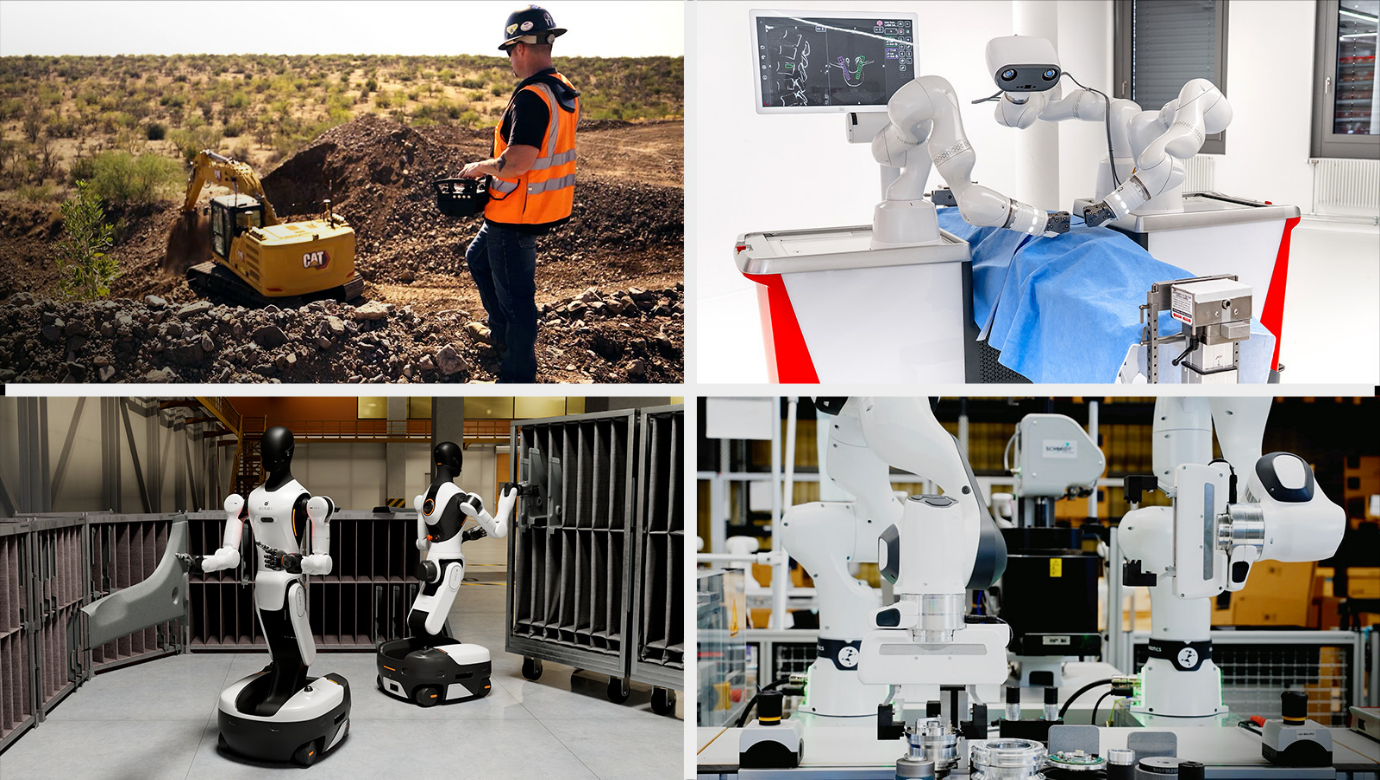
While a location might feel like 'home' to one person due to familiarity, it can also be 'brutal' to another because of the technology contained within. Each residence is unique in its design (i.e. layout, surfaces, amount of clutter, lighting), and thus, it poses a different set of problems for autonomous task management; but the most important aspect of this process is the need for both physical capability (robotic motion) and cognitive ability (judgment/decision-making; memory; flexibility).
An autonomous machine may perform well in the confines of one unit but will likely perform poorly in another - so that does not currently represent a real consumer level of solution for consumers.The manufacturing/engineering industry needs to acknowledge the importance of acceptance as well. Studies conducted regarding robotic assistants (as they relate to in-home assistance) indicate that individuals tend to judge their experiences with robots based upon their perceptions of usefulness/utility, comfort, and trust: if a robot appears to be intrusive/fragile/overly complicated, users will be resistant to adopting it, regardless of how well its technical specifications appear.
The Business Case for Builders and Investors
Household Robotics offer attractive economics to many companies globally. The reason for this is that they are situated at the intersection of hardware, software and subscription services. As a result, companies are not just taking a one robot approach; rather all leading players are building full stack systems where devices (hardware), AI models (software), support services (subscription) are fully integrated with true and continuous improvement loops.
Both established companies and new start-ups are competing to come to the forefront during early stages of this market so that they can position themselves for long-term success in regards to owning all the rights to the data, owning the task learning framework and creating superior customer relationships, thus able to build a long-term defensive barrier (moat); while the ultimate winner in Household Robotics is determined by the rate at which they can learn (experientially) in a real-life environment versus the quality of their launch video (slickness of marketing).
What Comes Next
Over the next several years, the introduction of robots with Artificial Intelligence (AI) will continue to progress incrementally. Initially, robots will become better at performing individual tasks that are both repeatable and provide business/financial benefit. Next, they will start to combine multiple task performances together into a workflow of sorts. As this occurs, the difference between "smart devices" and "household helpers" will become less clear.
This progression towards fully autonomous household assistants (robots) will occur gradually. In addition, the adoption of AI will vary as some people will incorporate new technology(ies) into their lives quicker than others based on their financial or geographic circumstances. However, the intention of developing real-world, autonomous robots is evident and will lead to the next consumer robotics category. In emerging markets such as this, innovators can capture new business opportunities.
Latest Posts