
The rise of bioharmonic sound therapy for cellular regeneration and stress recovery
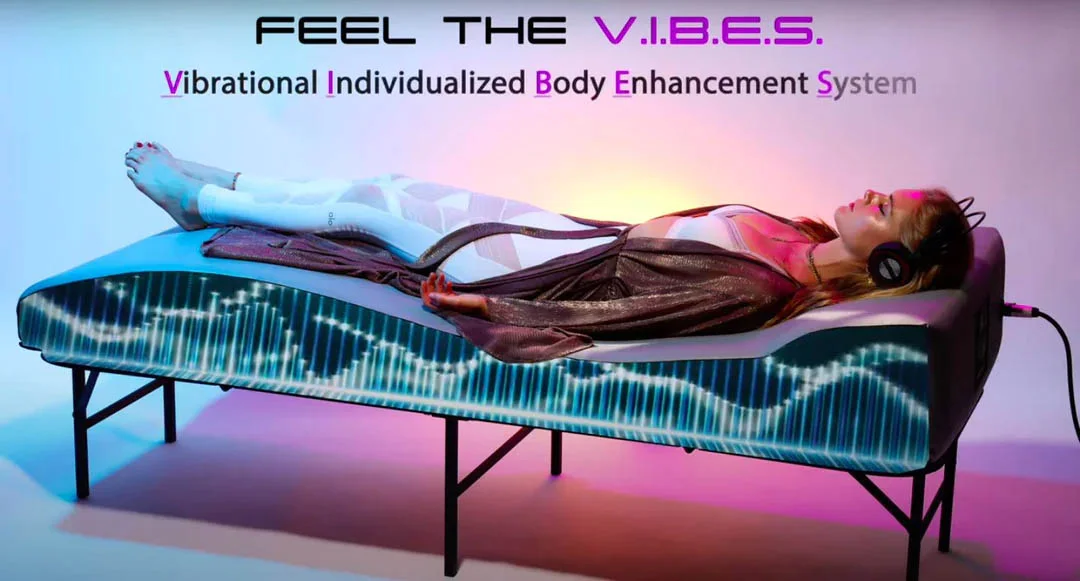
By identifying where there is science supporting recovery research and where there is science supporting performance based on the experience using that level of experience, it is somewhat easier for a digital corporate audience to find the intersection between these two areas.
The Science of Vibration Healing
The concept is simple yet powerful: The conversion of certain sound frequencies (30 to 120 Hz) into physical vibration will travel into tissues and affect cellular function and autonomic regulation. Studies indicate that physical vibration can reduce cortisol levels by 40%-45%, improve vagal tone and switch the body from a state of 'fight or flight' to 'rest and repair' within minutes.
Unlike meditation apps or white noise, vibroacoustic therapy works with physiology and circumvents the conscious mind's resistance. The medial geniculate nucleus (MGN) and temporal lobe (TL) are the areas of the brain responsible for emotional processing. During vibroacoustic therapy sessions, these areas show neural activation due to acoustic stimulation. Sessions also tend to unlock emotional patterns that have been stuck along with releasing physical tension.

Why It Works for High Performers
Burnout is not only mental tiredness; it's actually a form of cellular stress. When cortisol levels are chronically elevated, stem cell functions are also impaired. Tissue repair is delayed, as well as disruption in sleep architecture. Bioharmonic therapy is designed to help with this at the source; vibration stimulates mechanoreceptors that signal cells to pick regeneration over defense. After clients experience bioharmonic therapy, they report improved focus, increased recovery rate after working out, and residual emotional resilience that lasts for days after the session.
Technology and Delivery Systems
Category definition comes from the Bioharmonic vibe beds. They utilize proprietary transducers that convert sound files into exact vibrating frequencies to allow for the penetration into tissues. Sessions incorporate binaural beats (brainwave entrainment) and somatic frequencies that relate to fascia release, lymphatic drainage and mitochondrial function.
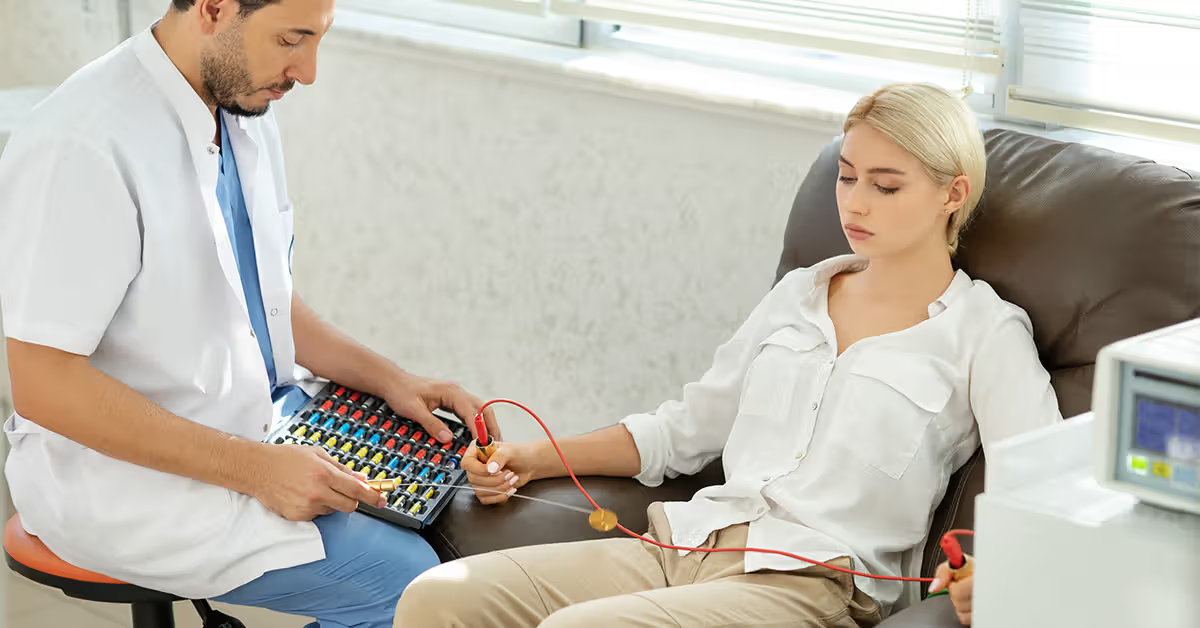
The leading systems also incorporate bioresonance scanning. Bioresonance scanning is performed before each session to determine the best frequencies to utilize for the individual based on their unique stress signature. Metrics such as heart rate variability (HRV), blood oxygen and galvanic skin response are captured after each session, providing corporations participating in a wellness program with substantial ROI data. The average session package is $250-450, with the current subscription model driving 68% retention.
Clinical Outcomes and Mechanisms
Mechanotransduction enables tissue regeneration through cellular signalling; it sends vibrations to the fibroblast cells to create new collagen, activates the satellite cells to aid in repairing muscles and also increases blood flow through the microvasculature. Vibrations have been shown in numerous studies to accelerate wound healing by up to 28% and to enhance bone density in postmenopausal women.
The mechanisms of stress recovery are equally powerful. Vibroacoustic therapy downregulates the HPA Axis (i.e., the body’s response to stress), increases BDNF (brain derived neurotrophic factor—the neurotrophic factor responsible for neuroplasticity) and balances the cytokines in the body to reduce chronic systemic inflammation. PTSD protocols show a reduction of symptoms by 62% after only twelve sessions of vibroacoustic therapy, which is comparable (or better) to the effect of a pharmaceutical drug, but without any side effects.
Market Dynamics and Business Models
The Bioharmonic therapy market was estimated to reach a global value of $1.2 billion in 2025, with an anticipated annual growth rate of 38%. North America currently holds the biggest market share (42%), with 18% of corporate wellness budgets going toward neural-you technology (healing techniques based on neurotechnology). Europe ranks second to North America due to the reimbursement for chronic pain treatment protocols by health care insurance companies throughout Europe.
The different ways in which bioharmonic services will be sold include:
- High-end studios offering $350 per session for 75-minute immersive sessions
- Corporate contracts providing onsite bioharmonic furniture (vibe bed) for fortune 500 companies (e.g., amazon and goldman sachs—pilot projects currently underway)
- Home units costing between $18,000 to $35,000 to purchase and a $99 monthly subscription for the content
- Spa resorts adding bioharmonic treatments (65% of luxury resorts will offer bioharmonic therapy by Q1 2026).
Subscription-oriented economics will be more favourable: 78% of lifetime revenue will result from six-month protocol subscriptions, while one-off massage therapy will result in only a portion of these revenues.
Competitive Landscape and Differentiation
Proprietary frequency libraries are the focus of major market leaders: At the top of the medical clinic segment (FDA Class I clearance) is V.I.B.E.S., with the largest share of market (1,200+ units) being the Bioharmonic Table in integrated medicine.
Sound Oasis dominates the portable/consumer segment. Differentiation is based upon precision personalisation and AI-based protocols analyse wearables data (Oura, Whoop) for optimal frequency sequencing for circadian rhythm. HRV biofeedback during sessions can improve session efficacy by 32%.
Regulatory and Reimbursement Trends
FDA Class I clearance is based on standardized medical claims including "stress reduction" and "muscle relaxation." CPT codes for vibroacoustic neuroregulation will be developed in 2025 which will allow insurance reimbursement of anxiety and insomnia protocols. VA hospitals are beginning to use protocols for PTSD (84% of veterans approve).
Corporate wellness is driving the "mainstreaming" of this technology. Google has mandated the use of the vibe bed for quarterly planning breaks.
Strategic Positioning
The intersection of longevity and performance is where bio harmonic sound therapy resides. Unlike wearables (which are passive), or peptides (which are invasive) — vibration offers a method to recover without using pharmaceuticals while providing immediate biometric feedback.
Smart position - Cellular recovery for knowledge workers. This connects measurable stress biomarker data to productivity in the executive class as opposed to simply “wellness”.
The business opportunity is evident - the “cost” of stress to the US economy is $1T a year. Bio harmonic therapy provides a return on investment for executives through proved recalibration of their nervous systems. The early movers hold the majority of the market share.
Latest Posts