
The rise of blue light shielding skincare for the modern professional digital environment

As well as providing executive level professionals with a targeted way to protect their skin from the deleterious effects of HEV light on the skin while maintaining a professionally polished appearance during back-to-back Zooms.
The Science of Digital Skin Damage
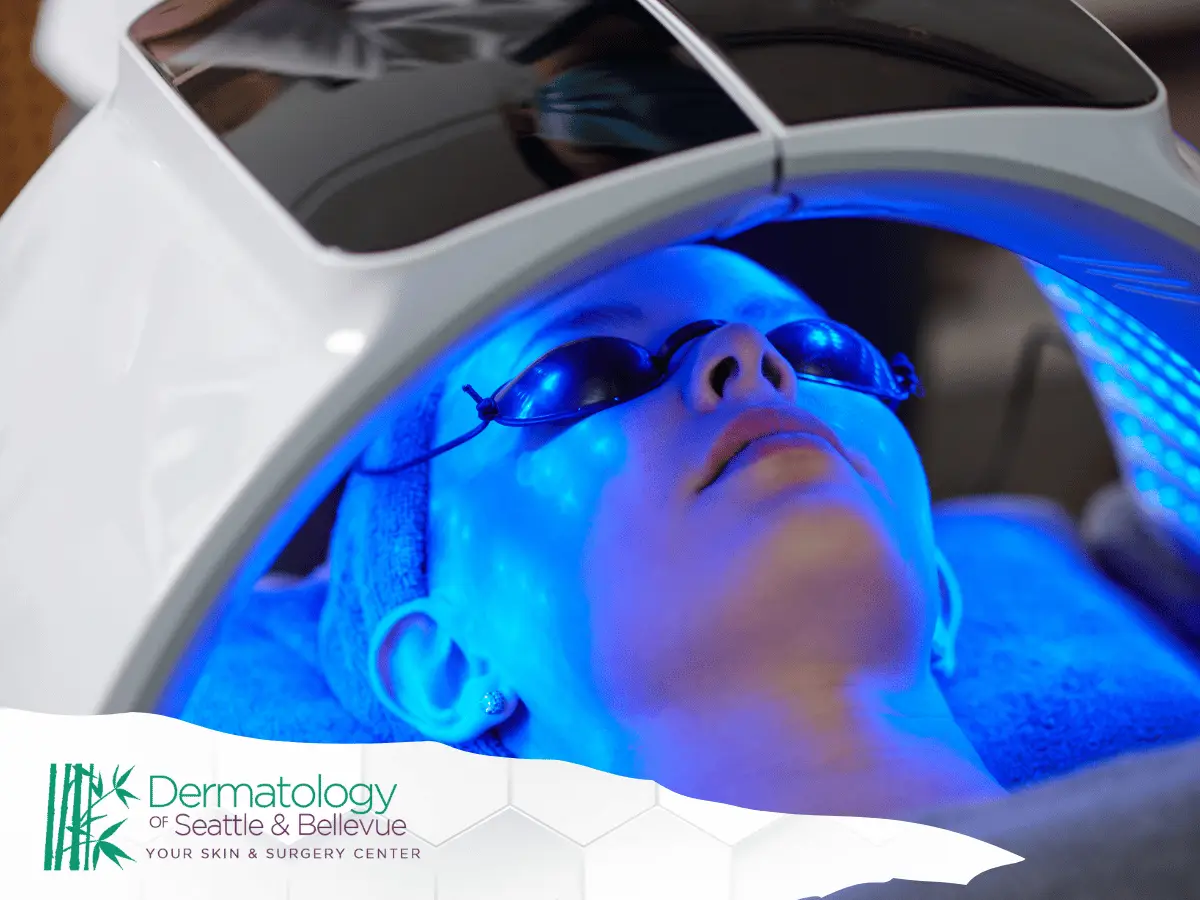
Reactive oxygen species (ROS) produced from blue light (400-500nm) are 2.5 times more powerful compared to ROS produced from UVA in melanocytes leading to oxidation of melanin and stubborn pigmented dark spots. This is why observed peaks in emissions of smart devices correlate with the timing of the skin’s weakness producing clusters of pigmentation known as “tech neck” below the jawline. Clinically, 6 hours of use of a smart device over 7 days produces a 25% reduction in collagen.
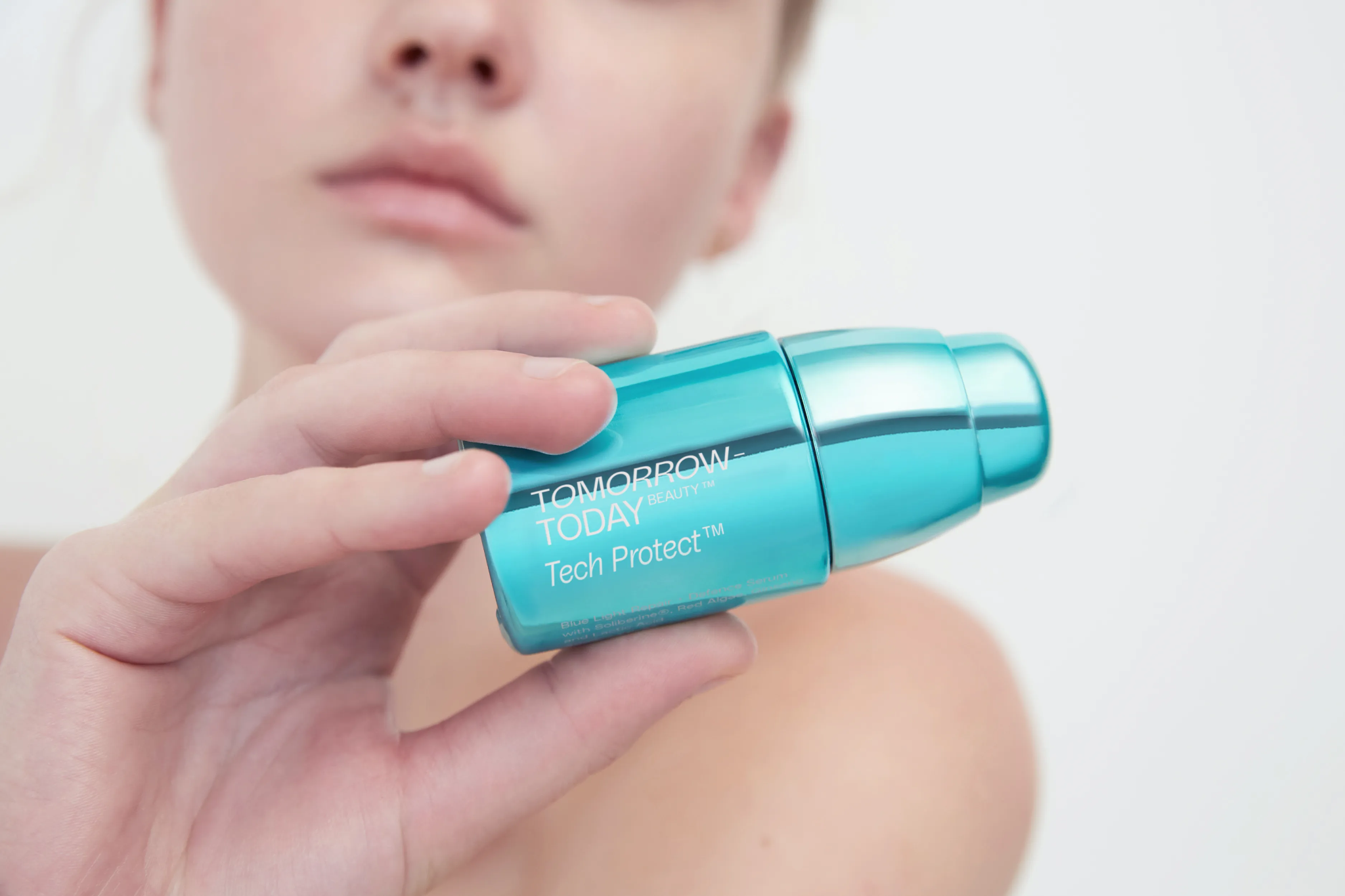
Carnosine, ergothioneine, and ferulic acid are three antioxidants that will neutralize digital (or non-solar) ROS that create glycation cascades that damage the dermal matrix. Niacinamide (5%) helps to reduce the transfer of melanin but also to improve the barrier function of the skin compromised by continual use of hand sanitizers. Photostable iron chelators can prevent Fenton reactions from increasing damage from high-energy visible light (HEV).
Why Professionals Need Targeted Protection
Chronic stress from digital workers is compounded by a combination of the following: long-term high levels of cortisol (stress hormone) contribute to Trans Epidermal Water Loss (TEWL), a lack of sleep (due to digital workers being awake too long) impacts their ability for body to heal and regenerate tissue; lack of constant hydration (too much time at work in office) results in dryness of stratum corneum (the outermost layer of skin). Antioxidants, through the use of high performance Skin Care products that include antioxidants, provide protection from damaging rays of blue light, and minimizing potential skin damage caused by environmental factors (AC in the office, hand washing, etc) help alleviate the negative effects of long-term exposure.
The business case for investing in a high-performance Skincare regimen is very strong for an organization. Visible signs of damaged skin can eliminate executive presence at a faster rate than any defect or mistake in the way one presents themselves to others; in an environment where individuals are using technology to communicate with other individuals, being seen as having even skin tone, minimized enlarged pores, and appearing rested, is becoming increasingly important to the credibility of the individual and the company they represent.
Additionally, the return on investment from an organization's investment in Skincare products is far in excess of the initial investment, due in large part to the concept of "career capital" (first impressions are made by observing digital images of an individual that will stick with them), which have been shown to also enhance the perceived age of an individual by more than 7 years, due to the effects of digital pigments.
Category Leaders and Formulation Science
Drunk Elephant: A-Gloei Marula Oil has developed digital skincare using two powerful ingredients—carnosine and marula—to help people who work at computers or otherwise exposed to screens.
100% of High Energy Visible (HEV) light is blocked by La Roche-Posay Anthelios UVMune 400 (SPF50+ PA++++) while collagen is protected.
SkinCeuticals Physical Fusion UV Defense SPF50 combines iron oxides with DNA repair and punamrkup I'll be repaired by penetrations in the skin's upper layer.
The innovation of clean beauty solutions is being recognized:
- Kinship Self Reflect Probiotic Moisturizer uses probiotics as a counter to disruption of the microbiome due to blue light exposure.
- Olay Luminous Niacinamide Serums will be available to the general public at a price of under $29 for 10% active ingredients.
- Based on antioxidants from rice extract, Beauty of Joseon Relief Sun (SPF50+ PA++++) leads the Asian market.
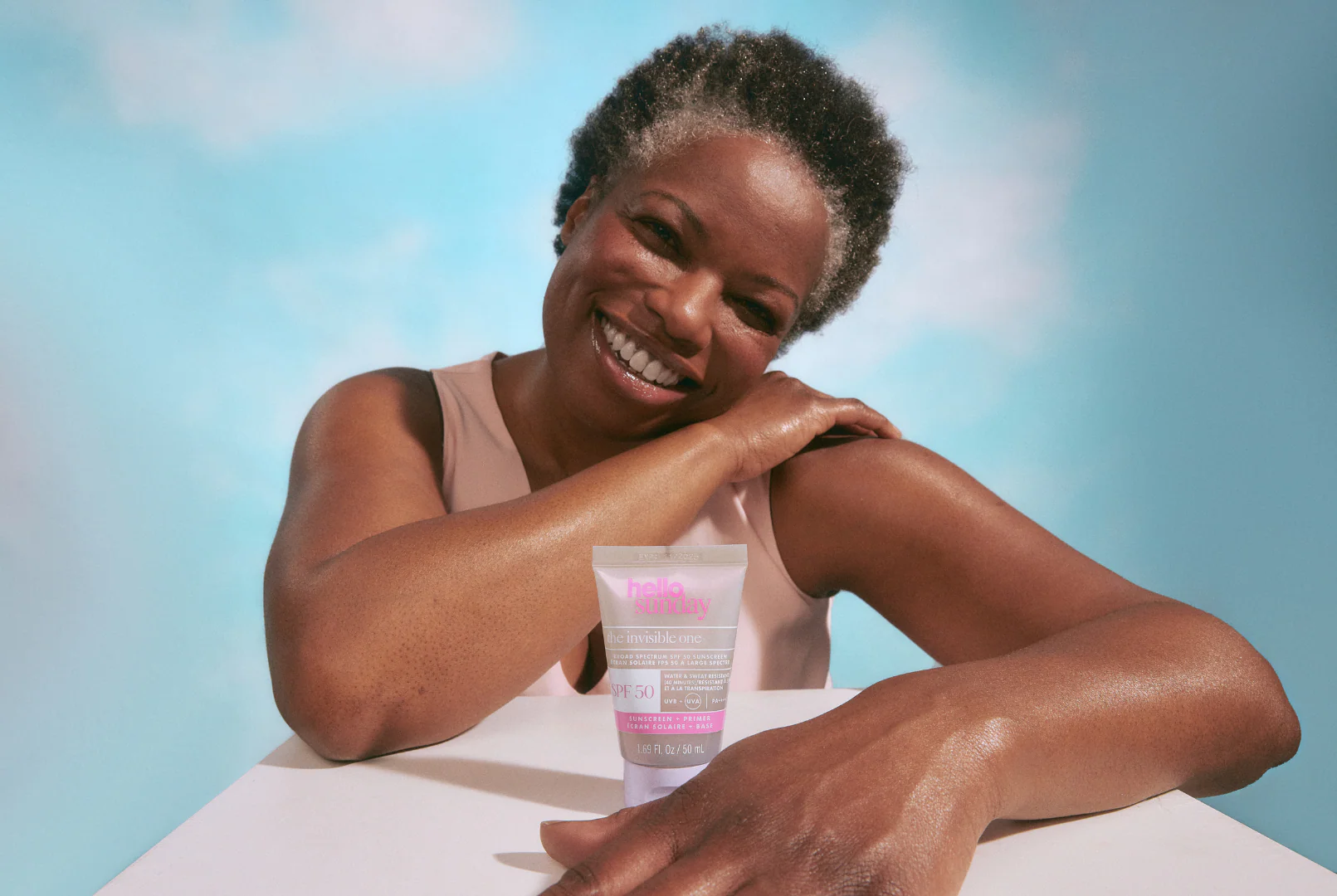
The clean beauty movement appears to be gaining momentum, as 82% of blue light formulations claim to be "reef-safe," "non-comedogenic," and "fragrance-free,” with silicone-free consistencies designed to prevent clogged pores from prolonged wear.
Market Dynamics and Growth Drivers
Reactive oxygen species (ROS) produced from blue light (400-500nm) are 2.5 times more powerful compared to ROS produced from UVA in melanocytes leading to oxidation of melanin and stubborn pigmented dark spots. This is why observed peaks in emissions of smart devices correlate with the timing of the skin’s weakness producing clusters of pigmentation known as “tech neck” below the jawline. Clinically, 6 hours of use of a smart device over 7 days produces a 25% reduction in collagen.
Carnosine, ergothioneine, and ferulic acid are three antioxidants that will neutralize digital (or non-solar) ROS that create glycation cascades that damage the dermal matrix. Niacinamide (5%) helps to reduce the transfer of melanin but also to improve the barrier function of the skin compromised by continual use of hand sanitizers. Photostable iron chelators can prevent Fenton reactions from increasing damage from high-energy visible light (HEV).
Retail and E-commerce Impact
E-commerce sales of blue light filtering products are drastically larger (3.8 times larger) than those made offline. 72% of viewers will add the product to their cart after viewing a before/after video of the product being used on screen.
Products sold on TikTok Shop have a 4.9 average rating and a 39% reorder rate.
Corporate gifting for the office is now mostly done with desk drawer sets containing a serum, a hydrating facial mist and a sunscreen product. Swag at conferences has shifted away from branded pens towards smaller travel size blue light filtering glasses.
The vast majority (92%) of new "clean beauty" brands have a claim that their products are "reef safe" or "EWG Verified" and airless pumps that are able to be recycled are now becoming the industry standard.
Latest Posts