
Tinted Sunscreen The One-Step Beauty Hack of 2026
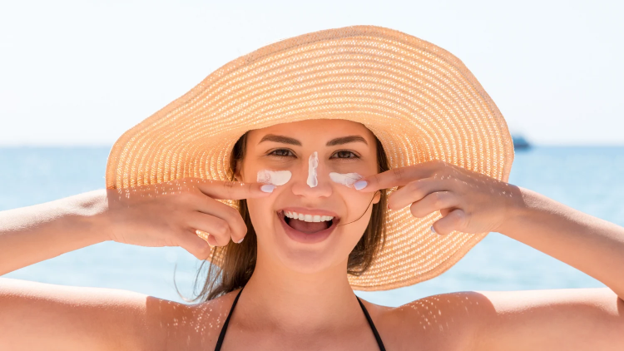
Well, the beauty standards and trends are known to be constantly changing and while the launch of Tinted Sunscreens may not have directly replaced these long lists of steps in the past, 2026 might simply be the year where we finally replace our exhausting routine without feeling like we are making a compromise. Tinted formulas are steadily establishing itself as the frontier in the skincare market waves and this time, it’s truly because the formulas have actually been developed well.
Table of Contents
1. Why Tinted Sunscreen, Why Now
2. What It Actually Replaces
3. The Iron Oxide Detail Most People Miss
4. Popular Options Worth Knowing
5. The One Mistake That Undermines the Whole Hack
6. Pros and Cons
7. How to Actually Choose One
8. Conclusion
Why Tinted Sunscreen, Why Now
There has always been very little doubt that Tinted Sunscreens would become the new trend, but what brings them now is the leaps of development in their formulations. The new modern formulas making waves have successfully caught up with the chalky white cast and heavy, greasy finish that used to define mineral sunscreens. Combine that development with the growing awareness of UV damage, hyperpigmentation, and photoaging amongst consumers and you’ll be left no doubts about the new wave and shift towards Tinted Sunscreens.
The beauty industry has also welcomed the recent trend with genuine investment rather than a simple line of appreciation, with mineral, hybrid, and tinted SPF formulas with better textures garnering greater demand and usability, making it the fastest-growing segments in the skincare category. And as a result, gone are the days of choosing between sun protection and an even-toned look, a trade-off that is no longer necessary thanks to carefully curated Tinted Sunscreens.
What It Actually Replaces
Tinted Sunscreens have been marketed as a “one-step hack” and in reality, it’s an actual testament to the power and changing behavioural shifts in skincare routines amongst Tinted Sunscreen users. Many consumers have also reported that they have successfully managed to replace their three step - daily SPF, a tinted moisturizer or light-coverage foundation, and in some cases, a color-correcting primer with a simply well-formulated sunscreen that also suits your skin helping you save on product count as well as precious time in the morning without losing any effect.
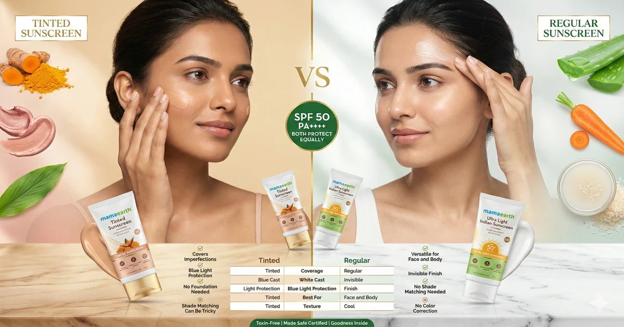
Yet, it’s important to know that Tinted Sunscreens aren’t naturally designed to replace full-coverage foundations, especially in individuals dealing with significant discoloration, active breakouts that need to be concealed, or an event requiring photo-ready coverage but a simple solution to avoiding extensive routines everyday.
The Iron Oxide Detail Most People Miss
An important detail that often goes unnoticed, tinted formulas typically contain iron oxides, pigments that help block visible light, a wavelength range traditional SPF ratings (which measure UVA/UVB protection specifically) don't account for at all. Through years of research, visible light exposure has been increasingly linked to worsening hyperpigmentation and dark spots, particularly in people with medium-to-deep skin tones, which means a tinted sunscreen can offer a layer of protection a plain, untinted SPF genuinely doesn't. This also in turn ensures that you don’t simply get the look, but also preserve the experience and functioning of your skincare look.
Popular Options Worth Knowing
|
Product Type |
Best For |
Example |
|
Cult-favorite tinted mineral |
Sensitive, acne-prone skin |
EltaMD UV Daily Tinted / UV Clear Tinted |
|
Adaptive-shade mineral |
Wide shade range, adjusts to skin tone |
Colorescience Sunforgettable Face Shield Flex |
|
Glow-focused hybrid |
Lightweight, dewy finish |
ILIA Super Serum Skin Tint SPF 40 |
|
Matte hybrid |
Oily/combination skin |
Ultra Violette Supreme Screen Mini Mate |
|
K-beauty lightweight |
Barrier-friendly, minimal ingredient lists |
Beauty of Joseon Dayscreen |
|
SPF primer hybrid |
Makeup-forward routines |
YSE Beauty Skin Glow SPF 30 Tinted Primer |
The One Mistake That Undermines the Whole Hack
It's easy to get tricked by how convenient tinted sunscreen has claimed to become, and somewhere that is the exact gap where the risk behind the product lies. Not every tinted product is designed with the same formulation to prioritize sun protection, and many might even simply be marketed as makeup with added SPF use lower concentrations of active UV filters, often lesser than a normal sunscreen would while misleading consumers with the false claim of offering complete sun protection.
And the fix for you is simply, ensure to check for products that lead with sunscreen ingredients as their primary formulation instead of focusing on the tint or color coverage, and ensure to use enough! The current standard guidance for sunscreen lies at roughly two finger-lengths of product for full face coverage and is standard across tinted and normal sunscreens.
Tinted Sunscreen
Pros
✅ Consolidates multiple routine steps into one product
✅ Iron oxides offer visible-light protection plain SPF doesn't
✅ Modern formulas largely solve the old white-cast problem
✅ Genuinely time-saving for daily routines
Cons
❌ Not a substitute for full coverage on days you need it
❌ Some products underprioritize actual SPF strength for cosmetic finish
❌ Shade ranges still vary significantly by brand
How to Actually Choose One
Begin your journey of choice based on understanding your skin type, and its sensitivity level and proceed towards the desired tint and finish. Sensitive or reactive skins generally tend to work well with a mineral-forward formula while oily or acne-prone skins benefit more from lighter, more matte-finish options and if you’re specifically looking for hyperpigmentation concerns, choosing a sunscreen rich in iron oxide content is key, since it does most of the visible-light protection work.
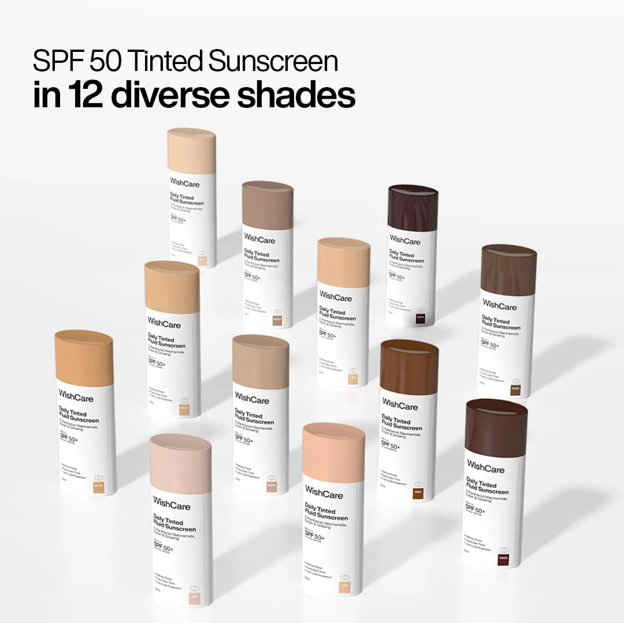
Once you have your foundation and choice of sunscreen composition sorted, begin your quest for the desired shade. Some brands offer a wide range of adaptive or fixed shades while others focus on focusing on a few shades but doing them right. Undergoing a tiny swatch/sample test across brands could definitely aid you in finding the right one for your skin!
Conclusion
It’s not common for a newly curated beauty product or range to gain the “hack” label, and when one product enters the market with that very marketing label, it’s quite definite to take current practices by a storm. Tinted Sunscreen is not simply a part of minimalism, but an actual empowering step towards improving skincare while maintaining the protective work and using simpler and better formulations rather than simply using cosmetic products on your skin. And while many would argue, it’s not even a replacement for every step in the routine but a simple hack for those not wishing to go through a four-step routine even before they’ve had their breakfast or a cup of morning coffee. And with the recent wave, Tinted Sunscreens might just become what they category has been wanting to be over the past few years.
Latest Posts