
Understanding the Role of Micronutrients in Supporting a Healthy Immune System
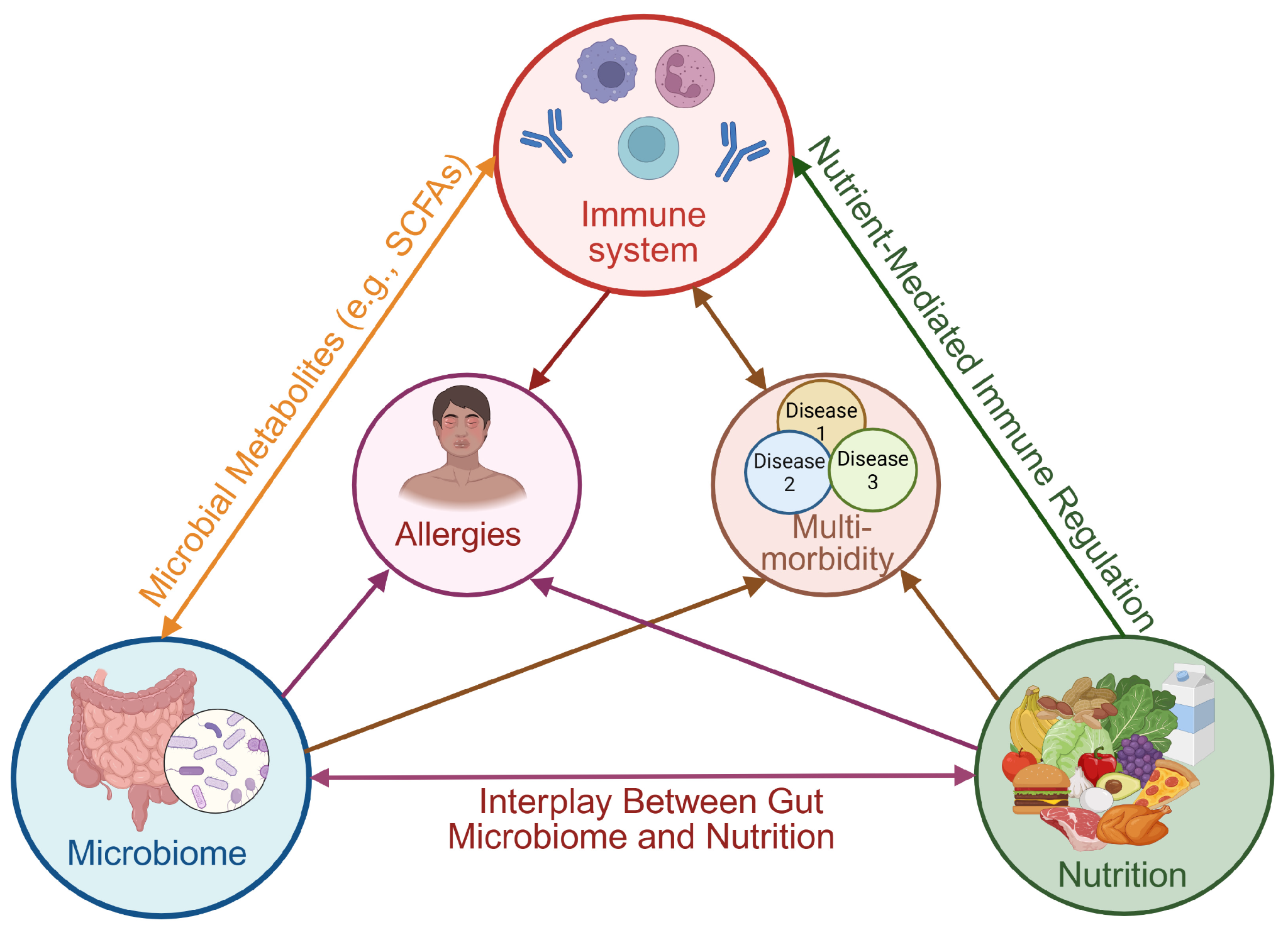
Vitamin D deficiency (42% of adults) means 20% more sick days than those who maintain their level of vitamin D at adequate levels. The solution is not that complex; however, you must be quite detailed in your implementation of the solution.
The Core Players You Need to Know
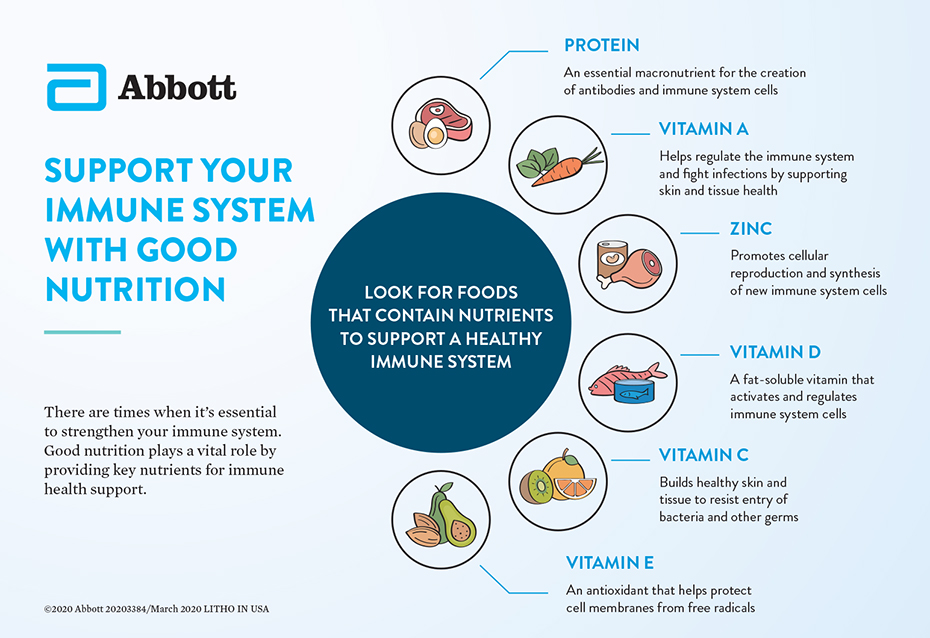
Vitamin D benefits not just your bones. It also helps produce immune cell levels by regulating the activity of about 2% of your genes. When Vitamin D levels drop, you are twice as likely to get a respiratory infection. Sunlight provides Vitamin D, but if you supplement with Vitamin D in a dose of 2,000 IU, you will keep your blood levels of Vitamin D optimal throughout the year, especially if you work in an office.
Vitamin C is not a panacea, but taking Vitamin C has been shown to reduce the length of time you have a cold by 8-14%, as well as reduce the overall severity of the cold. Vitamin C also helps recycle glutathione (the body's master antioxidant) and promotes increased activity of white blood cells. The daily recommended dose of Vitamin C is up to 35 mg for smokers, since smoking causes faster depletion of Vitamin C.
Zinc is the most important mineral for your immune system. It provides a barrier to prevent viruses from replicating, and it is required in order to produce T cells. Zinc lozenges containing 75-100 mg of zinc, taken in the first 24 hours, can decrease the duration of a cold by up to 33%. Long-term use of 15-30 mg of zinc will prevent zinc deficiency and not cause an imbalance of copper in your body.
Why Deficiencies Hit Performance Hardest
Subclinical deficiency is not easy to detect. For example, the results associated with subclinical deficiency may be displayed in the following ways: Fatigue associated with a deficiency of iron, vitamin B12 and magnesium; Frequent illnesses due to deficiencies of Vitamin D or Zinc; Slow Recovery due to lack of Vitamin C (or possibly Selenium) In general, the energy of most people who received a multiple vitamin and mineral supplement improved within two or three weeks. In fact, the greatest (subclinical) deficiency-related symptom — fatigue — typically improves the quickest. Moreover, the effect on a business due to the lack of subclinical deficiencies has a cumulative effect. One example of this is that one study found employees with compromised immune systems experience over two-and-a-half times the absenteeism of average employees. When teams lose a key player to an avoidable disease or illness, the momentum created by that player is lost—and regaining it takes longer than meeting the project's deadline.
The Synergy You Can't Google
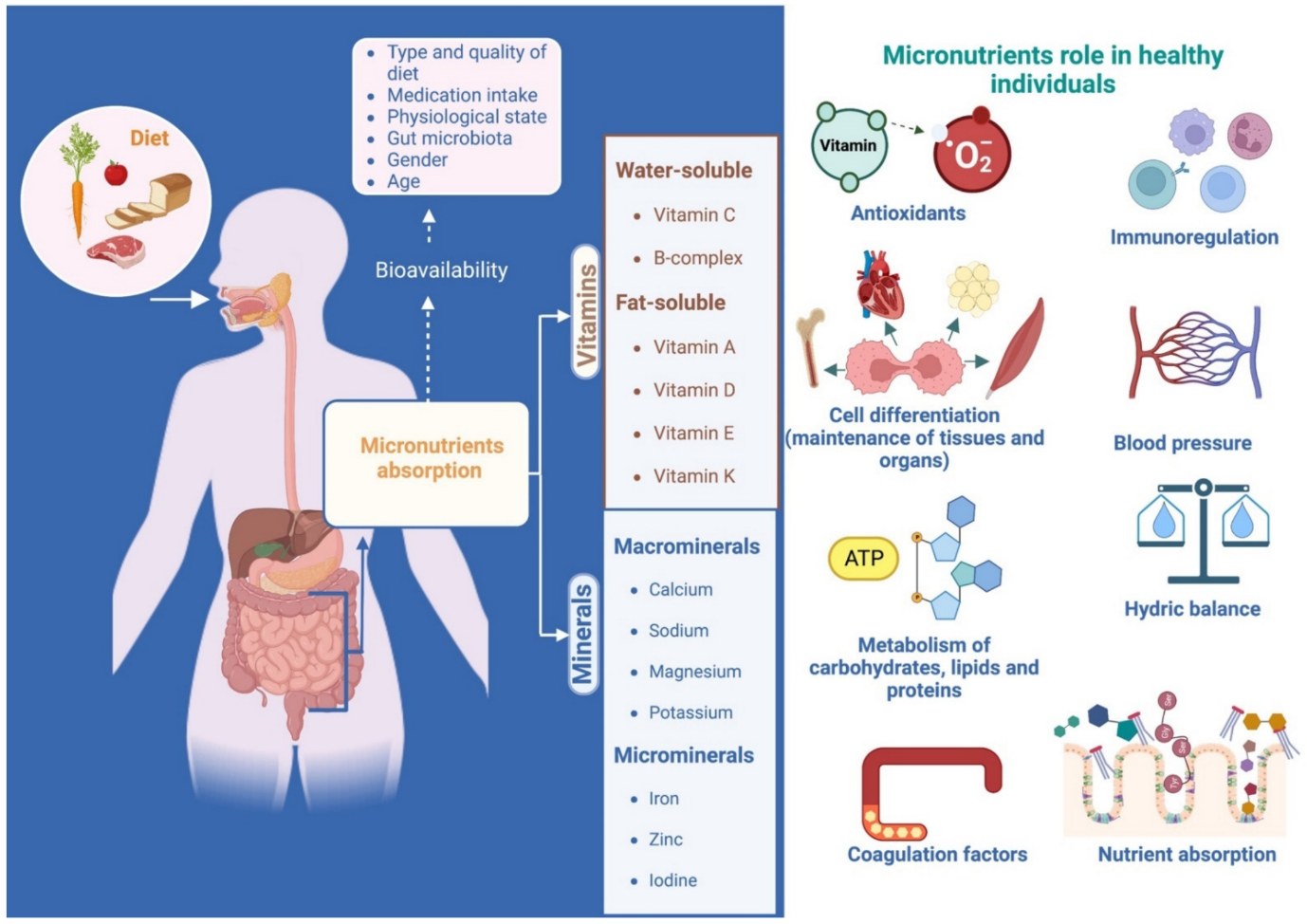
No one nutrient can function in isolation. Mucosal barriers are maintained by Vitamin A (your first line of defense against infection); glutathione peroxidase requires selenium for its function, and Vitamin E protects cell membranes from oxidative damage during immune response.
The combination of these nutrients produces a synergetic effect when they are taken in the form of a multivitamin-multimineral formula. Clinical studies show that patients who take multivitamins and multiminerals recover from an acute illness within 95% better than those who do not use nutritional supplementation. The dose-response curve for the immune markers levels off at approximately 100 to 200% of the RDA.
Practical Implementation for Teams
Corporate wellness programs do this correctly:
- Q3 blood panels: Vitamin D, Zinc, Ferritin baseline
- Daily packets: MVMS + Omega 3 = 90% of nutrient deficiencies covered
- Cold and flu protocol: Zinc lozenges + 2000mg Vit C for first 72 hours
Individual playbook:
- Morning: MVMS + 2000 IU Vit D3 + 15 mg zinc
- Meals: Colourful Vegetables (Vit C, Vitamins A progenitors)
- Stress Relief: Double B complex, 400mg Magnesium Glycinate
Total cost would equal $1.25/day. ROI would demonstrate not only a reduction in absenteeism but also continuous improvements in production velocity.
The Business Case Gets Clearer
Immunity returns an investment just like any other profit and loss line. For example, by implementing a targeted supplement program, one mid-sized company reduced sick days by 27% (or $1.2 million), and saw an 18% decrease in healthcare costs. The flu season became a logistical hassle instead of being a big concern for operations.
Remote working did not change anything; however, stress continues to deplete nutrients at a rate of 30% faster than when under normal stress levels. When an individual flies on business, it puts them at a greater risk of getting an illness during their travels. Thus, corporate executives who place equal focus on both immunity and hygiene will have an edge over competitors who do not place the same level of priority on immunity.
Beyond Supplements: The Diet Foundation
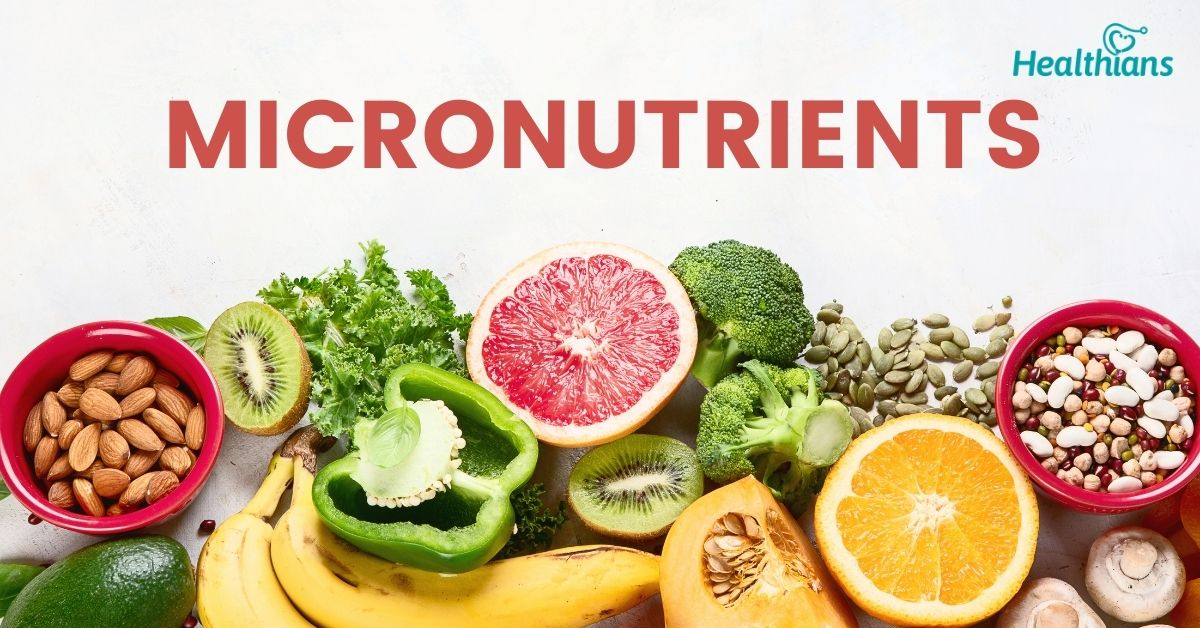
The foundation of the system is found in whole foods: the liver (beef) has vitamins A, B12 and minerals iron and Zinc, sunflower seeds have vitamin E and selenium, citrus and kiwi have vitamin C, fatty fish have vitamin D and omega-3s. Supplements fill in any deficiencies in your diet. For example, no amount of kale will make up for a need of 50ug/ml of vitamin D.
When to Escalate to Testing
Experience fatigue? Consider serum concentrations:
- Vitamin D, 40-60 ng/ml is optimal
- Zinc, 80-120 mcg/dl
- Ferritin, >50 ng/ml (female), >100 ng/ml (male)
- Suboptimal = supplementation opportunity. Optimal = maintenance dose.
Micronutrient immune support is not for "wellness theater"; it is your biological foundation - you will perform based upon that foundation. The teams that engineer this into default behavior will advance faster than those who recover.
Latest Posts