
Waterless Skincare Formulations vs. Traditional Botanical Concentrates
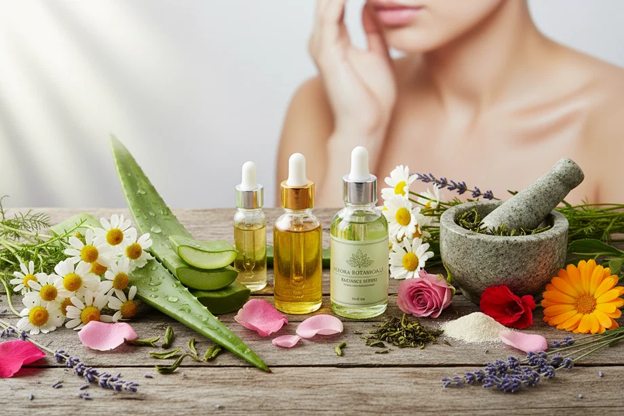
These replacements aren't random but a carefully curated pitch to remove the water based and shift towards a more potent and more sustainable product. And while it may be true that there are products as exceptions avoiding this modern trend, there's notably more than their marketing would tell you about.
Table of Contents
1. The Core Argument for Waterless
2. Where Waterless Actually Wins: Shelf Stability
3. Where It Gets Complicated: Active Potency
4. The Eco-Footprint Case
5. Head-to-Head Comparison
6. Who Each Approach Is Actually For
7. Pros and Cons
8. Conclusion
The Core Argument for Waterless
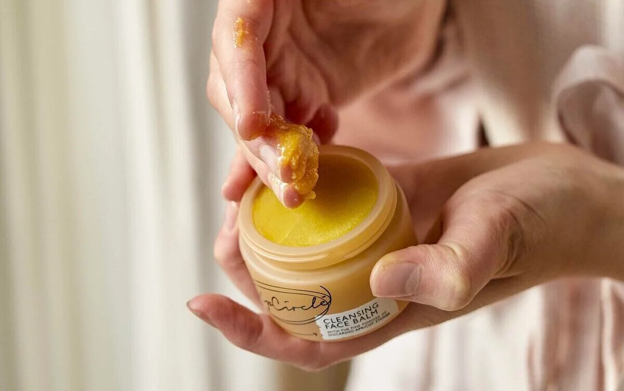
Traditional skincare formulations have often been criticised for one thing, bottles being filled with about 80% water solution while the botanical extracts, vitamins, and the peptides are all diluted within that solution. Waterless skincare takes away this dilution and packs all those ingredients into solid balms, powders, oils and solid bars at much stronger concentration per ounce.
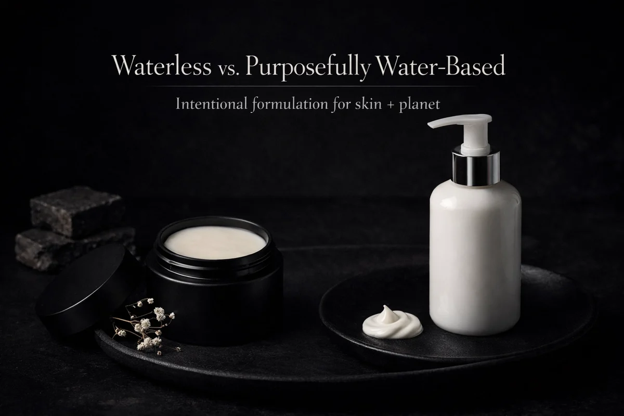
Additionally the presence of water also gives rise to the possibility of microbial growth, which is why anhydrous products require few synthetic preservatives, which made them the clean-beauty movements central point of focus. At the same time, water brought heaviness and made packaging bulky, a cost that might seem marginal but is huge for the producers. Waterless formulation lowers this shipping weight and packing volume, while adding greater concentration which places it in the ideal forefront for the category’s sustainability argument.
Where Waterless Actually Wins: Shelf Stability
Amongst the strongest and best-supported benefits of the waterless case after being proven in real testing, Waterless formulation enabled the products to have a longer shelf life-span. Water facilities are prone to degradation through the three channels of hydrolysis, oxidation, and microbial activity, and anhydrous systems or waterless formulations are designed to avoid all three naturally. Research published in the International Journal of Cosmetic Science found vitamin C in powder formulations retained 85% of its potency after 12 months, compared to just 30–40% retention in water-based serums, as oxidative degradation begins instantly once the product is opened and exposed to air repeatedly.
And it's not just Vitamin C but even Retinoids, certain peptides, botanical oils, and encapsulated actives degrade faster when exposed to water while Waterless formulations maintain their consistency as well as content despite exposures. The market today is filled with vitamin C and niacinamide powders, enzyme powders, and solid serum wafers that stay inert and stable until the moment you add a drop of water or warmth from your skin, following which point the active is essentially fresh again rather than having been slowly oxidizing in a bottle for months.
Where It Gets Complicated: Active Potency
While marketing narratives are bound to confuse you with their promotional strategies, Active potency is the most important characteristic and while many brandings confuse the two, “Higher concentration” and “Higher potency” are not the same thing. And while Waterless Compositions continue marketing themselves as being more effective for packaging greater concentrations, some ingredients may not result in the same outcome without water.
Niacinamide, panthenol, and hyaluronic acid are amongst the prime examples as all three require an aqueous phase to remain stable and bioavailable, meaning without water you’d undermine their actual capacity. Hyaluronic acid is another ingredient that works by binding water in the skin, and a waterless formulation of the same would simply work against its own mechanism. And these aren’t just small challenges but a major reason why waterless also lean towards lipid-soluble actives (retinol, bakuchiol, squalane-compatible peptides, botanical oils) to provide a wide range of products instead of wrongly claiming their products to contain the same ingredients as waterless compounds. Traditional botanical concentrates, on their part shouldn’t be considered as diluted or inferior, since they’re made that way since water is the most versatile solvent for evenly dispersing water-soluble botanical extracts and humectants and are bound to remain as the right solvent for that specific class of ingredient.
The Eco-Footprint Case
The sustainability argument for waterless products rests on three major reasonings and they each stand out with different levels of strength:
1. Water conservation during manufacturing is the premium reasoning since producing liquid, water-based formulas at scale consumes meaningfully more freshwater than solid or powder alternatives, especially crucial in regions experiencing water stress.
2. Shipping and packaging weight is another reason and has its own share of support. The actual composition of the solution as well as the packaging both carries weight which also results in transport and packaging costs in addition to enhanced measurable transportation emissions. With Waterless formulations such as Solid and Powder formulas, the weight and packaging are lighter and compact, and has become a leading cause of brands switching their product formats Packaging follows a similar logic — bars and tins can use less material, and refillable formats are more common in this category than in traditional bottled skincare.
3. Preservative and packaging chemistry is another reasoning arguing that fewer synthetic preservatives are used for waterless formations and, in some cases, consists of compostable or plastic-free packaging (a positioning several waterless brands, including UK-based SBTRCT and New Zealand's Ethique, have built their identity around).
Head-to-Head Comparison
|
Category |
Waterless Formulations |
Traditional Botanical Concentrates |
|
Best-suited actives |
Retinoids, bakuchiol, ceramides, encapsulated vitamin C, lipid-soluble antioxidants |
Niacinamide, panthenol, hyaluronic acid, water-soluble botanical extracts |
|
Shelf stability |
Strong — up to 85% potency retention at 12 months for some actives |
Weaker — 30–40% typical potency retention for oxidation-sensitive actives like vitamin C |
|
Preservative load |
Lower, due to reduced microbial risk |
Higher, due to water supporting bacterial/mold growth |
|
Texture/sensory experience |
Requires specialized formulation to avoid greasy or heavy feel |
More established, familiar spreadability and absorption |
|
Packaging/shipping footprint |
Lower, due to reduced weight and bulk |
Higher, largely due to water weight |
|
Format examples |
Solid serums, powders, balms, activated wafers |
Serums, lotions, toners, creams |
|
Ingredient dispersal |
Limited for water-soluble actives |
Superior for water-soluble botanicals and humectants |
Who Each Approach Is Actually For
1. Choose waterless if: your routine centers on retinoids, vitamin C, or other oxidation-sensitive actives, you want to minimize preservatives, or you're specifically optimizing for travel weight and packaging waste.
2. Choose traditional botanical concentrates if: your routine relies heavily on niacinamide, hyaluronic acid, or panthenol, or you prefer the familiar texture and absorption profile of a liquid serum or lotion.
3.Consider a mixed routine if: most people already do this without naming it — a water-based HA serum layered under a waterless retinol balm, for instance, plays to each format's actual chemical strengths instead of forcing one system to do a job it's not built for.
Pros and Cons
|
Waterless Formulations |
Traditional Botanical Concentrates |
|
✅ Superior stability for oxidation-sensitive actives |
✅ Correct solvent match for niacinamide, HA, panthenol |
|
✅ Fewer synthetic preservatives needed |
✅ Established, broadly familiar texture and absorption |
|
✅ Lighter shipping footprint |
✅ Effective dispersal of water-soluble botanicals |
|
❌ Not all actives translate well to anhydrous systems |
❌ Faster oxidative degradation for sensitive actives |
|
❌ Achieving balanced, non-greasy texture is harder to formulate |
❌ Heavier shipping footprint and higher preservative load |
|
❌ Requires consumer behavior change (activation, patch testing) |
❌ Less differentiated on the sustainability front |
Conclusion
It’s honestly difficult to conclude that either Waterless Skincare Formulation or Traditional Botanical Concentration can actually substitute or even replace each other, since the format is built along its own set of ingredients as well as is marketed at various forefronts based on their individual benefits. . For stability-sensitive actives like vitamin C and retinoids, waterless formats have real, measurable advantages while for water-dependent actives like niacinamide and hyaluronic acid, traditional aqueous formulas remain the better chemical fit. And perhaps the most beneficial outcome or situation for the future isn’t depending on a single format but choosing one based on the right ingredients, their impact on the environment through sustainability practices as well as the logistics associated between the two.
Latest Posts