
What the 2026 World Happiness Report Reveals About Our Relationship with Social Media

Finland Tops, Youth Happiness Lags
Finland has now been named the happiest country in the world for an incredible ninth consecutive year, achieving an average score of 7.764 out of a possible 10 in its overall life evaluation, fully supported by its neighbouring Nordic countries of Iceland, Denmark, Sweden and Norway.
Comparatively at the other extreme are 25-year-olds and younger in the United States, Canada, Australia, New Zealand, and many parts of Europe, all reporting much lower levels of life satisfaction than they did ten years ago. Social media engagement continues to play a significant role in this response as indicated by Oxford University’s Wellbeing Research Centre, Gallup, and the UN Sustainable Development Solutions Network.
Social Media: Dose Makes the Poison
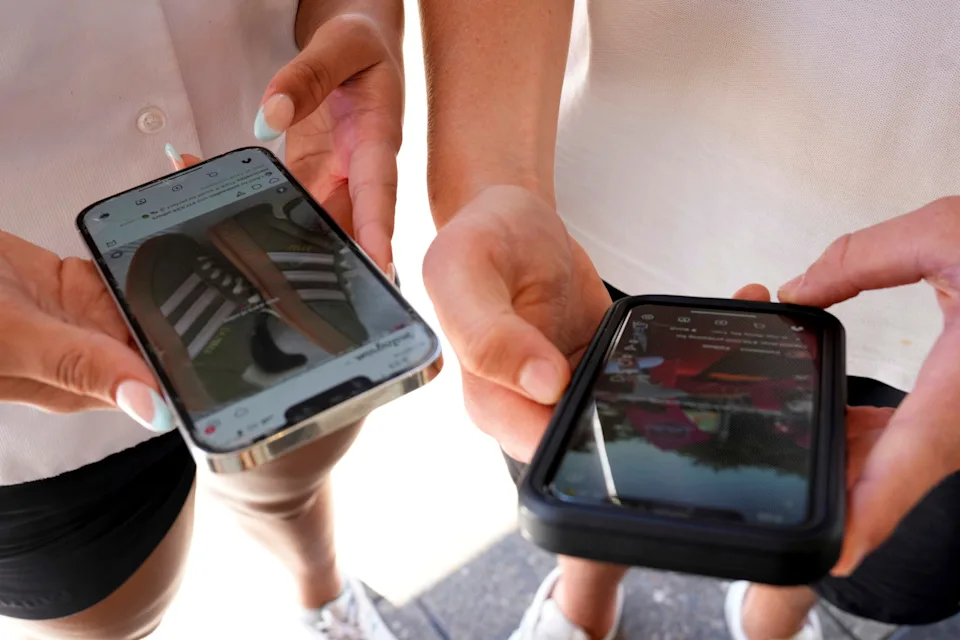
The report shows there is a very strong correlation between young people’s time spent on social media versus their own measure of well-being (i.e., how happy they are). Young people who spend less than 1 hour per day using social media say they are the happiest of all (including those who do not use social media at all). Young women are the least satisfied with their lives as reported in the report due to excessive use of social media platforms.
There is not a global homogeneity regarding this issue as Middle Eastern and South American young adults report that they are doing well on average despite high levels of social media use due in part to strong family support and the presence of friends allowing for more positive social experiences. In contrast, in the English-speaking Western world, social media acts more like a “collective action problem” with many people feeling like they should be on their respective social media platforms because everyone else is and would prefer for social media not to exist (pitching social media as a distraction).
Why Platforms Hurt—and How They Could Help
Youth's declining overall happiness is not simply from their increasing number of hours spent using social media. Algorithms and feeds add to the number of ways youth experience comparison, fear of missing out (FOMO), and cyberbullying, ultimately eroding the quality of youth-to-youth, person‑to‑person, and family relationships that are common in Nordic countries. The report suggests that girls are particularly impacted by social media, likely as a result of the relationally aggressive and thinness-driven culture that predominates social media.
Moderation in usage, specifically purposeful and light usage can increase happiness, which would imply that social media, in and of itself, is not necessarily toxic; it is simply not made for excessive usage.

Business Takeaways: Product, Policy, Profit
The World Happiness Report 2026 chapter on social media is a guide for sustainable interactions for companies who are first and foremost digital. Companies should make time limits, positive algorithms and features that promote connection ahead of addictive scrolling in how their customers interact with their product and/or service. Brands that target young people need to develop authentic, community-building campaigns that combat comparison culture.
HR leaders have clear indications regarding employee wellbeing; support under 1 hour of personal internet use each week, facilitate offline bonding between co-workers and monitor for burnout in positions that are part of the social network (social media) families. Advertisers targeting Generation Z should move from aspirational messaging to relational messaging that aligns with what actually improves the quality of life.
The Indian View: Youth, Platforms, Progress
India comes in at number 126 in the global rankings, which puts it right in the middle. However, because of the youth bulge, the warnings of this report become even more important. With so many TikTok alternatives and the growing prevalence of Instagram, we are at risk of a similar decline to what we have seen in the West, particularly amongst urban girls who deal with the pressures of academics and self-image.
Some positive trends can be seen: close family relationships and strong community relationships provide the support systems that we have found in Latin America. Developing local platforms could embed cultural values like collectivism into the algorithms, thereby creating a social media platform that enhances rather than detracts from our well-being.
A Path Forward: Intentional Connection
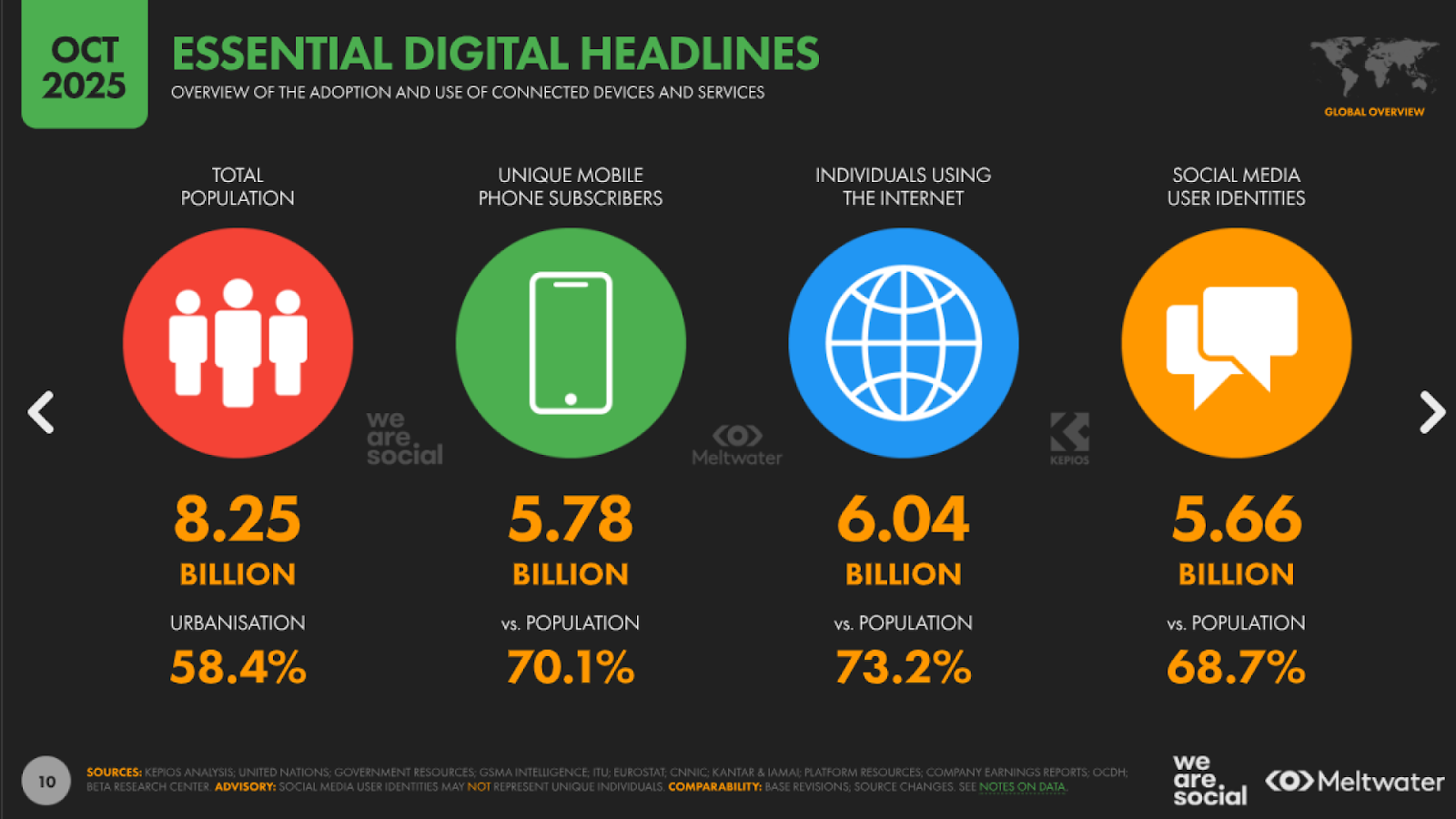
According to the 2026 World Happiness Report, social media are not demonised but rather evaluated on a cost/benefit basis - positive effects occur with little use while excessive usage negatively affects people's lives - especially children. For business there exists opportunities by creating balance between the two extremes; for example, designing products creating community relationships and policies supporting the mental well-being of individual users, and ultimately creating company cultures whereby employees and consumers confer more value to social presence as opposed to social media posts. Thus, in today's interconnected world, whether or not someone will experience happiness depends greatly on how each person utilises their connections via technology and/or social networks.
Latest Posts