
Why Regular Tire Pressure Checks Matter More Than Mileage
When people think about car maintenance, mileage is usually the first thing that comes to mind. We are conditioned to believe that every major decision, oil changes, servicing, part replacements, and even resale value depends on how many kilometers or miles a vehicle has covered. While mileage is undeniably important, it often overshadows a much more immediate and critical factor that influences safety, efficiency, and performance every single day: tire pressure.
Unlike mileage, which measures long-term wear and usage, tire pressure determines how your vehicle behaves on the road in real time. It affects how your car grips the surface, how quickly it can stop, how stable it feels during turns, and even how much fuel it consumes. Ignoring tire pressure while focusing only on mileage is like monitoring your weight without paying attention to your blood pressure—both matter, but one demands more frequent attention.
Mileage Is Predictive, Tire Pressure Is Immediate
Mileage works as a predictive maintenance indicator. It helps drivers anticipate when certain components might need attention based on average wear patterns. However, mileage cannot tell you how your car is performing at this exact moment. Tire pressure fills that gap by directly influencing daily driving conditions.
A vehicle with low mileage but improperly inflated tires can be far more dangerous than a high-mileage vehicle with well-maintained tires. The reason is simple: tires are the only point of contact between your car and the road. Even a minor imbalance in pressure changes the way your vehicle responds to steering, braking, and acceleration. This impact is instant and ongoing, not something that develops gradually over thousands of miles.
Safety Risks Begin Long Before Tires Look Worn
Many drivers wait until tires appear visibly worn or damaged before paying attention. However, tire pressure problems usually develop silently. A tire can lose air gradually due to temperature changes, small punctures, or natural air seepage, and still look perfectly fine from the outside.
When tire pressure drops below the recommended level, the tire’s contact area with the road increases. This creates excess friction, leading to heat buildup inside the tire. Over time, this heat weakens the internal structure, increasing the risk of sudden tire failure. Braking distances also increase because underinflated tires do not respond as efficiently when stopping, especially on wet or uneven surfaces. In emergency situations, this delay—often just a fraction of a second—can make a critical difference.
Mileage does not warn you about these dangers. Regular pressure checks do.
Fuel Efficiency Depends More on Tire Pressure Than You Think
Drivers often associate fuel efficiency with driving habits or engine condition, but tire pressure plays an equally important role. Underinflated tires create higher rolling resistance, which means the engine has to work harder to move the vehicle forward. This increased effort translates directly into higher fuel consumption.
Even a small drop in tire pressure can reduce fuel efficiency noticeably over time. The effect might not be obvious after one short drive, but over weeks and months, it leads to more frequent refueling and higher overall costs. In contrast, maintaining correct tire pressure allows the vehicle to roll smoothly and efficiently, ensuring that the engine operates under optimal conditions.
In this context, mileage tracking alone becomes misleading. You might be hitting your service milestones on time while unknowingly losing money at the fuel pump every day due to incorrect tire pressure.
Tire Longevity Is Closely Linked to Air Pressure
Tires are designed to wear evenly when inflated to the correct pressure. When pressure is too low, the outer edges of the tire bear most of the load, causing them to wear out faster. When pressure is too high, the center of the tire wears prematurely. In both cases, the result is reduced tire lifespan and the need for early replacement.
What makes this issue particularly frustrating is that it often occurs regardless of mileage. A vehicle driven relatively few kilometers can still require new tires sooner than expected simply because the pressure was consistently incorrect. Regular pressure checks help distribute weight evenly across the tire surface, maximizing tread life and protecting your investment.
Driving Comfort and Handling Are Subtle Indicators
Many drivers notice changes in their vehicle’s behavior without immediately connecting them to tire pressure. A car may feel slightly unstable during turns, less responsive while steering, or unusually stiff over bumps. These changes are often blamed on road conditions or suspension issues, but in many cases, tire pressure is the underlying cause.
Properly inflated tires act as a cushion between the vehicle and the road, absorbing shocks and maintaining stability. When pressure is off, that balance is disturbed. The result is a driving experience that feels less controlled and more tiring, especially during long journeys. Unlike mileage, which remains constant during a trip, tire pressure continuously affects how comfortable and confident a driver feels behind the wheel.
Weather Changes Make Pressure Checks Even More Important
One of the most overlooked aspects of tire pressure maintenance is its sensitivity to temperature. As temperatures drop, air contracts, leading to lower tire pressure. When temperatures rise, pressure increases. This means seasonal changes alone can push tire pressure outside the recommended range without any visible signs of trouble.
Relying on mileage-based service intervals does not account for these environmental factors. A car serviced recently can still suffer from underinflated or overinflated tires due to changing weather conditions. Regular checks ensure that tires remain within the safe range regardless of external conditions.
Technology Helps, but Manual Checks Still Matter
While many modern vehicles are equipped with tire pressure monitoring systems, these systems are designed as alerts rather than precision tools. They often activate only after pressure drops significantly, which means the tire has already been operating under suboptimal conditions.
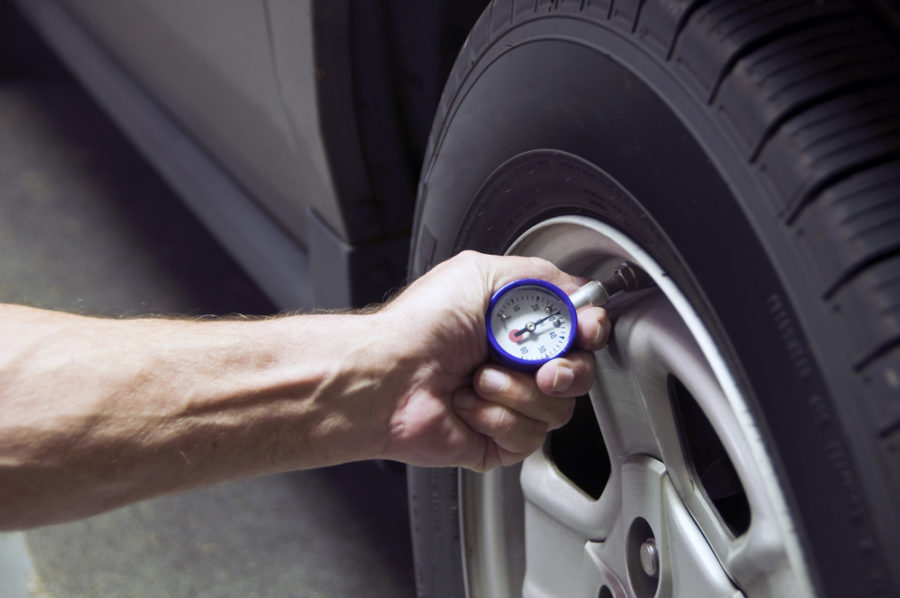
Manual pressure checks using a reliable gauge provide accuracy and peace of mind. They allow drivers to detect small deviations early and correct them before they turn into safety or performance issues.
Final Thoughts
Mileage is an important metric, but it tells only part of the story. Tire pressure influences nearly every aspect of driving, from safety and fuel efficiency to comfort and cost. It is not something that can be checked occasionally or ignored until a warning light appears.
By making tire pressure checks a regular habit, drivers gain control over one of the most critical yet easily manageable aspects of vehicle maintenance. In the long run, this simple practice delivers benefits that mileage tracking alone can never provide.
Sometimes, the most powerful maintenance decisions are not about how far you’ve driven, but how well you’re prepared for the road ahead.
Latest Posts