
Why Winter Makes You Crave Carbs The Science and Smarter Comfort Foods
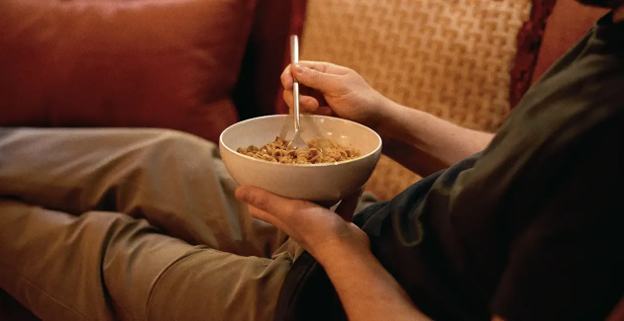
For many health and fitness enthusiasts. This arrives as a test of willpower, but researchers have found the pull runs much deeper than simple cravings. That very craving could carry plausible biological explanations and if managed correctly, could sensibly satisfy the inner need without becoming a problem.
This article is for general information and not advised to be utilized as medical or nutritional advice. Please consult a health professional and nutritionist before making dietary or lifestyle changes.
Table of Contents
1. The Winter Appetite Shift
2. What the Science Suggests
3. When It Is More Than a Craving
4. Not All Carbs Are Equal
5. Smarter Comfort Foods
6. Habits That Help
7. Weighing Winter Carb Eating
8. Conclusion
The Winter Appetite Shift
Anyone who regularly notices an uprise in appetite in December and struggles with the guilt of overeating need not worry anymore. Majority Dieticians and Clinicals describe a similar recognisable pattern, an inclination towards warm, filling meals including starchy and sweet foods such as bread, pasta, potatoes and pastries alongside a larger appetite, a simple bodily change that arrives from internal body cravings.
This sudden uptick in appetite is more prevalent in places far from the equator, in places that experience the most changes from winter months including shorter days. And it's not just an appetite change either, various bodily factors including mood, sleep and energy also undergo similar push that's hard to oversee.
What the Science Suggests
So far, researchers have struggled to curate a single explanation and honestly, there might be too many mechanisms working together to be able to single one out. Yet, majority explanations so far have included ideas such as:
Less light, different brain chemistry. Since the winter months also indicate shorter days, the body’s hormonal balance is disturbed within its two chemical messengers. Melatonin, which is responsible for an individual's feeling of being sleepy and awake alongside Serotonin which influences mood and appetites both tend to fall in production. In turn, carbohydrate-rich meals enable the brain to obtain tryptophan, a building block of serotonin, which could explain the soothing nature of starchy foods.
A disrupted body clock. Harvard Health has confirmed that a lack of light in a regular day can disrupt the circadian rhythm, and the bodily cycles of sleep, energy and hunger. Disruptions in circadian rhythm can often also result in changes in appetite and eating habits and preferences.
Poor sleep and stress. Nutritionists have also highlighted that inadequate or disturbed sleep can influence production or management of stress and hunger hormones, which could in turn lead to more frequent cravings for quick energy from sugar and starch foods.
An ancient reflex. Researchers have also claimed that similar to animals, the human body also showcases an adaptive tendency to eat more and store for winter months. While this could be considered as an explanation for evolutionary behaviour, it’s difficult to test in modern conditions and lifestyles.
Comfort and warmth. Apart from everything else, the idea of consuming hot, soft and satisfying food also appears appealing and provides a sense of home and comfort that can be hard to overlook.
Notably, an older study from the National Institute of Mental Health had also previously hinted towards this mechanism. The study placed sixteen people with seasonal depression against sixteen matched controls who were fed protein-rich and carbohydrate-rich meals. Amongst those with the condition, patients reported feeling energized after the meal while the controls on the other hand expressed feelings of being sedated.
When It Is More Than a Craving
For most people, a bigger winter appetite is an annoying entrapment of fighting urges and dodging bouts of guilt. For the others, it also hints towards a seasonal affective disorder, known as SAD, which is a form of depression that persists every year, usually in autumn and winter as the weather begins to grow colder. The NIMH lists overeating, particularly with a craving for carbohydrates, and oversleeping among the additional symptoms of the winter pattern, alongside a persistently low mood, loss of interest, fatigue and trouble concentrating, making it crucial to seek professional advice and support if these symptoms become persistent for a prolonged period of time.
|
Typical winter blues |
Possible signs of SAD |
|
Mild dip in mood or energy |
Low or empty mood most of the day, nearly every day, for at least two weeks |
|
Bigger appetite, enjoying warm food |
Strong carbohydrate cravings with overeating and weight gain |
|
Wanting more sleep |
Oversleeping and difficulty getting up |
|
Still enjoying usual activities |
Loss of interest in activities and social withdrawal |
Not All Carbs Are Equal
While general advice focuses on avoiding carbohydrates as a group, or to minimize its intake, the more appropriate and practical implication focuses on choosing which carbs are treated easily within your body’s digestive systems. Nutritionists often suggest also consuming protein and fat alongside carbohydrates as they help soften the quick spike and tends to satiate hunger for longer periods of time, which is why a plate of lentils and rice tends to keep people satisfied longer than white rice alone.
|
Feature |
Refined carbohydrates |
Whole or complex carbohydrates |
|
Examples |
White bread, pastries, sweets, sugary drinks |
Oats, lentils, beans, whole grains, potatoes with skin |
|
Digestion |
Quick, often followed by a dip |
Slower and steadier |
|
Fiber |
Low |
Higher |
|
Fullness |
Short-lived |
Longer lasting |
|
Nutrients |
Fewer |
More vitamins, minerals and protein |
Smarter Comfort Foods
Food choices in the winter months should be carefully curated to align with their comfort foods in warmth, texture and familiarity, while also adding fiber and protein for a healthy balance. Here are some noteworthy upgrades you could consider:
|
Classic comfort food |
A more filling version |
|
Creamy white pasta |
Whole-wheat pasta with a lentil or vegetable sauce |
|
Mashed potatoes |
Potatoes mashed with the skin, plus yogurt or beans |
|
Sweet breakfast cereal |
Hot oats with nuts, seeds and fruit |
|
Hot chocolate |
Cocoa made with milk and less sugar |
|
Soup with white bread |
Bean or lentil soup with wholegrain bread |
|
Rice with butter |
Dal and vegetable khichdi |
|
Pastries |
Whole-grain toast with nut butter, or baked fruit with oats |
Soups, stews, porridges and one-pot dishes all deliver warmth and a sense of fullness, and they make it easy to hide vegetables and legumes.

Habits That Help
While your diet is a major contributor to the picture, several other factors such as light, sleep and routine need to be carefully balanced as well.
1. Get morning light. Prioritizing being outdoors in the early hours and maintaining a healthy early routine to the day can do wonders for the body clock. Harvard Health also recommends getting light before 10 a.m.
2. Consider light therapy if symptoms are strong. The NIMH also suggests use of a 10,000-lux light box to be used for about 30 to 45 minutes each morning. However, it's of utmost importance to practise precautions and consult a physician before beginning regular use.
3. Eat regularly. Ensure to eat meals in a timely routine as skipping meals can often lead to stronger cravings later in the day.
4. Protect sleep. A consistent bedtime supports a steadier appetite.
5. Allow some indulgence. It's always a healthy idea to allow yourself some freedom and pleasure in the winter months instead of simply abstaining from your favorite foods.
Weighing Winter Carb Eating
|
What carb-rich comfort eating offers |
What to watch for |
|
Warmth, energy and a mood lift in the short term |
The lift is brief, and cravings may return |
|
Cultural and emotional comfort |
Refined options leave little fiber or protein |
|
Whole-grain and legume dishes are nutritious |
Eating to manage low mood may signal a bigger issue |
|
Easy to prepare and share |
Large portions of sweets can crowd out other nutrients |
Conclusion
Winter cravings have long been shamed as poor control and willpower, yet in reality they are simply a mix of biology, habit and inner body seeking comfort. Amongst various factors, receiving less natural light, having poor sleep and being in colder temperatures could also be a strong pull towards a warm soup or a pasta bowl. And while it's not always easy to balance all those, it's important to choose whole grains, beans, vegetables and a source of protein in your meals to ensure a healthy diet and prevent repeated urges to eat in the winter months. And perhaps if the cravings arrive with a heavy mood, it's ideal to speak to a professional over punishing yourself for not trying hard enough.
Latest Posts