
Why You Feel Tired After 8 Hours of Sleep The Real Reasons Explained
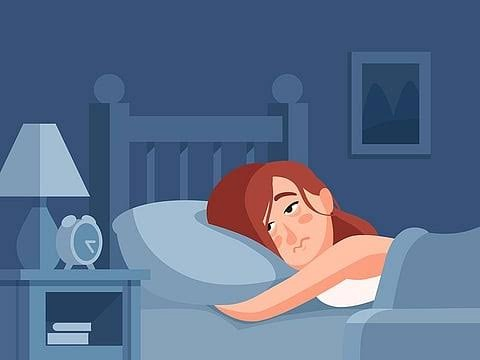
It's a frustrating place to be, especially when you've done what you were told was right. The truth is that sleep isn't only about the number on the clock, and plenty of everyday factors can quietly steal its benefits.
Hours in Bed Aren't the Same as Quality Sleep
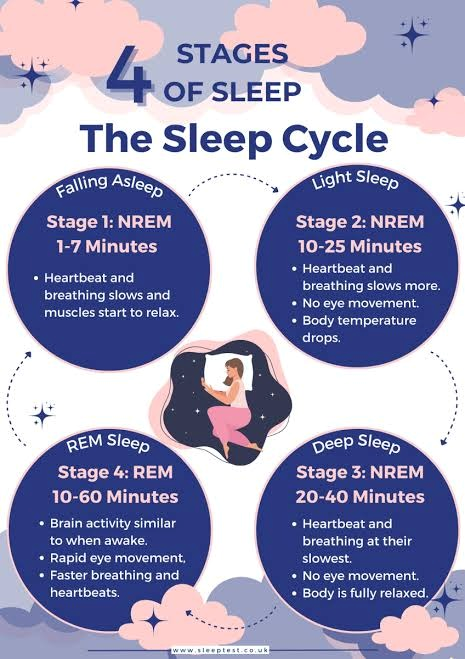
Eight hours in bed doesn't always mean eight hours of proper rest. Your night is made up of cycles that move between light sleep, deep sleep, and dream-heavy REM sleep, and each stage does a different job for your body and brain. If something keeps interrupting those cycles, you can spend a full night in bed and still wake up unrefreshed. Many people have tiny awakenings they never remember, caused by noise, light, temperature, or a restless partner. Your sleep tracker may say you slept eight hours, but it can't always show how fragmented those hours were. Quality matters at least as much as quantity.
Your Sleep Schedule Might Be Working Against You
Your body runs on an internal clock, and it loves routine. If you go to bed at 10 p.m. on weekdays and 2 a.m. on weekends, you're giving yourself a mild form of jet lag every week. Sleeping in on Sunday may feel like a treat, but it can leave you groggy on Monday morning. Even a consistent eight hours can feel off if it doesn't match your natural rhythm, such as a night owl forced into very early starts. Going to sleep and waking up at roughly the same time each day is one of the simplest ways to feel better. Consistency often does more than an extra hour in bed.
Sleep Inertia: The Groggy Morning Effect
Sometimes the tiredness isn't about the night at all. When you wake up suddenly, especially from deep sleep, your brain needs a little while to switch gears, a state known as sleep inertia. It can last from a few minutes to around half an hour, and it makes you feel slow, dizzy, and unmotivated. Blaring alarms and repeated snoozing can make it worse, since each snooze starts a new, shallow sleep cycle you never finish. Try getting some daylight, drinking a glass of water, and moving around soon after waking. If you feel fine by mid-morning, grogginess alone may be the culprit.
Evening Habits That Quietly Damage Your Sleep
What you do in the hours before bed shapes how deeply you sleep. Caffeine can linger in your system for many hours, so that late-afternoon coffee may still be affecting you at midnight. Alcohol might help you fall asleep faster, but it tends to disrupt the second half of the night and cut into restorative sleep. Heavy dinners, intense late workouts, and scrolling through bright screens can all keep your body in alert mode. Stress plays a part too, because a mind that's still racing doesn't switch off easily. A calmer wind-down routine can make a surprising difference.
Your Bedroom Environment Matters
Think of your bedroom as a sleep workspace, because the right setup makes it easier to stay under. A room that's too warm is a common problem, as the body needs to cool slightly to sleep well. Light from streetlamps, chargers, or a TV can interrupt rest even through closed eyelids. Noise is another hidden culprit, and it can pull you out of deep sleep without fully waking you. An old, uncomfortable mattress or pillow can leave you stiff and achy by morning. Dark, cool, and quiet is a good rule to aim for.
Possible Sleep Disorders
If you've tried the basics and still feel exhausted, a sleep disorder may be involved. Sleep apnoea, where breathing briefly stops during the night, is one common example, and many people who have it don't know. Loud snoring, gasping, morning headaches, and falling asleep easily during the day are some of the typical clues. Restless legs and other movement-related conditions can also fragment sleep without you noticing. These conditions are treatable, but they usually need a proper assessment from a doctor or sleep specialist. Don't just assume you're lazy or unlucky if the tiredness persists.
Health Issues That Can Cause Constant Tiredness
Sometimes the problem isn't sleep at all. Low iron levels, vitamin deficiencies such as B12 or D, and thyroid problems are well-known causes of ongoing fatigue. Blood sugar swings, dehydration, and certain medications can also leave you drained. Mental health plays a big role too, since low mood, anxiety, and burnout often show up as exhaustion before anything else. The tricky part is that many of these look very similar from the inside. If tiredness hangs around for weeks despite good habits, a simple check-up and blood tests can be very revealing.
Lifestyle Factors Behind the Fatigue
Counterintuitively, too little movement can make you feel more tired, not less. A day spent mostly sitting often leaves people with lower energy than a day with regular, gentle activity. Skipping meals or relying on sugary snacks can cause energy crashes that feel like tiredness. Not drinking enough water is another easy one to overlook. Chronic stress keeps your body on high alert and wears down your reserves, even if you sleep long hours. Small changes, like a daily walk, balanced meals, and regular breaks, often lift energy noticeably.
When to See a Doctor
Occasional tiredness is normal, but persistent fatigue deserves attention. Consider booking an appointment if you've felt exhausted for several weeks, if it's affecting your work or mood, or if you notice symptoms such as heavy snoring, breathlessness, unexplained weight changes, or constant low mood. Keep a short sleep diary for a week or two before you go, noting bedtimes, wake-up times, caffeine, and how you felt. It helps your doctor spot patterns quickly. This article is general information and can't replace medical advice for your specific situation.
Final Thoughts
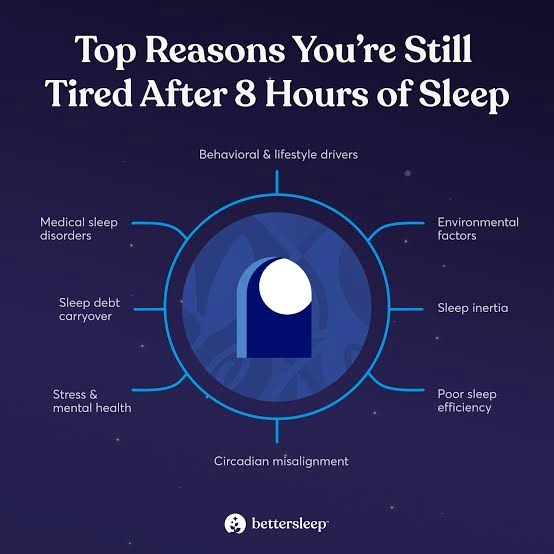
Feeling tired after eight hours of sleep doesn't mean you're doing something wrong, and it rarely has just one cause. Often it's a mix of broken sleep, irregular routines, evening habits, and everyday stress. Start with the simple fixes, like a steady schedule, a cooler and darker room, and a calmer evening. If you're still exhausted after a few weeks, get checked rather than pushing through. Good rest is one of the best investments you can make, and it's worth getting to the bottom of it.
Frequently Asked Questions
1. Why do I wake up tired even after sleeping 8 hours?
Common reasons include fragmented sleep, an irregular schedule, evening caffeine or alcohol, and morning grogginess. Underlying issues like sleep apnoea or nutrient deficiencies can also play a part.
2. Is 8 hours of sleep enough for everyone?
Not necessarily. Most adults do well with around seven to nine hours, but individual needs vary. What matters is waking up reasonably refreshed and functioning well during the day.
3. Can oversleeping make you feel more tired?
Yes, for some people. Sleeping much longer than usual can disrupt your body clock and cause grogginess. Keeping consistent sleep and wake times usually helps more.
4. Could a vitamin deficiency be causing my tiredness?
It's possible. Low iron, B12, or vitamin D are commonly linked to fatigue, but you should confirm with a blood test instead of guessing or self-medicating.
5. When should I worry about constant tiredness?
If it lasts for weeks, interferes with daily life, or comes with symptoms like loud snoring, breathlessness, or persistent low mood, see a doctor to find the cause.
Latest Posts