
Winter Immunity Boosters What Actually Works and What's Just Marketing

Every autumn, marketing campaigns start rolling and a similar promise emerges: take our syrup, capsule or powder and you will get through the winter without catching a cold. And while that might seem glamorous, the majority of these products have little to show for their reputation and the ingredients that are actually effective, can rarely be packaged into a single bottle or formula.
Table of Contents
1. Why "Boosting" Immunity Is a Misleading Idea
2. Vitamin C: Popular, but Modest
3. Zinc: The Best-Supported Option, With Conditions
4. Vitamin D, Echinacea and Elderberry
5. At a Glance: Evidence Compared
6. Risks and the Marketing Problem
7. What Genuinely Helps
8. Conclusion
Why "Boosting" Immunity Is a Misleading Idea
It's important to understand the human body and immunity to understand what works! Our immune system is an extensive network of barriers, cells and signals that require balance to maintain itself and a single blood marker being elevated would not make the body more likely to fight a virus. Nutritional deficiencies can often result in a weakened immune system and hence providing supplements to avoid shortfall is the smarter choice instead of facing shortfalls.The supplement industry has for a long period of time marketed on a simple logic, if a nutrient is crucial when it's missing, it must be important to have more of it as well. And using that very logic, the industry has risen to a massive scale.

During a consumer-group analysis that aimed to assess the scale of the market and the use of ingredients, researchers bought 30 D2C products that were being sold as immune-health supplements, while making a surprise discovery of the labels including over 300 ingredients between those products. The ingredients included a diverse list from vitamins and minerals to botanicals such as echinacea and elderberry, yet neither of those brands or products had studies to show their ingredients having been tested for effectiveness at the dose on the label.
Vitamin C: Popular, but Modest
Vitamin C is probably the best-known cold remedy in the world, yet it's also the most misunderstood.A Cochrane review of placebo-controlled trials, covering more than 11,000 participants, found that taking at least 0.2 grams daily did not necessarily reduce how many people were susceptible to catching cold, but instead helped to reduce the duration of their cold by making it approximately 8% shorter in adults and 14% shorter in children.
The study also included trials where participants took Vitamin C after catching a cold, a trial that showed no consistent benefit while ruling out its consumption to aid recovery after catching cold. In practical terms, the research confirmed that the packaging claims didn't stand a chance against the fractional reduction in cold duration, while also confirming that a regular glass of orange juice or portion of peppers could suffice the minimum requirement to aid immunity in treating cold.
Zinc: The Best-Supported Option, With Conditions
Zinc has emerged with the most effective and reliable results amongst the list of multivitamins and supplements for improving or shortening an illness that had already started. During a 2024 Cochrane review, 34 trials were pooled for analysis and concluded that colds may be about two days shorter with zinc treatment, while still remaining less certain about the accuracy of the finding. The review also showcased no significant benefit for regular zinc consumption, a conclusion that had also been noticed in earlier researchers that believed zinc lozenges to shorten cold but not lower the chance of catching one.
Research results have collectively shown benefits of consuming zinc lozenges within the first day of the first symptoms to show effective reduction in cold durations but the catch revolves around safe consumption! The US National Institutes of Health has set an upper limit for controller consumption of 40mg of zinc on a daily basis for adults, a value if consistently consumed over, could also result in copper deficiency. Additionally, Zinc sprays or gels used inside the nose have been linked to loss of smell, with some individuals having long-lasting losses which has resulted in health bodies advising against them.
Vitamin D, Echinacea and Elderberry
Vitamin D. One analysis of 37 randomised trials with about 46,000 participants found that people taking vitamin D had an 8% lower chance of catching a cold or flu than those on placebo, an effect that analysts describe as small. Researchers have observed proven benefits in those who are deficient, a common observed value in the winters due to reduced sun exposure which makes it effective in those that are deficient but presents poor effectiveness or argument for effect on those with already adequate levels of vitamin C levels.
Echinacea. A 2014 Cochrane review of 24 double-blind trials involving 4,631 participants also showcased that echinacea did not necessarily help in treating colds. Notably, there have been few researches supporting the idea of them helping with symptoms in adults, but little to support them as a treating ingredient or intervention. Additionally, since products often consist of a varying composition of plant part, extract and compositional strength of Echinacea, it's difficult to draw comparisons or conclusions on their impact as a packaged bottle.
Elderberry. Elderberry syrups gained popularity during the pandemic but have since shown minimal direct immune benefits in various researches, meaning their popularity and effectives could be vastly fabricated by manufacturers.
At a Glance: Evidence Compared
|
Product |
Prevents colds? |
Shortens colds? |
Evidence quality |
Main caution |
|
Vitamin C |
No, in the general population |
Slightly, if taken regularly (about 8% in adults) |
Moderate, from Cochrane review |
Little benefit once symptoms start |
|
Zinc |
No clear benefit |
Possibly about two days, lozenges started early |
Low certainty |
Upper limit 40 mg/day; avoid nasal zinc |
|
Vitamin D |
Small effect (around 8% lower risk in one analysis) |
Not established |
Mixed |
Most useful if deficient; high doses can harm |
|
Echinacea |
Little evidence |
Not shown in a major Cochrane review |
Inconsistent |
Products vary widely |
|
Elderberry |
Unproven |
Possible, unproven |
Sparse, often company-funded |
Limited independent data |
Risks and the Marketing Problem
Various studies and marketing campaigns have made us believe that supplements are entirely harmless, yet excessive consumption doesn't necessarily promise better results. In fact, excessive zinc intake could interfere with copper while high Vitamin D doses can result in harmful calcium build-up, and these ‘combination immunity booster’ formulations often overlap multivitamin supplements. And while Supplements claim to “support immune health”, that picture is slightly more tainted than marketing campaigns let on.
|
Marketing claim |
What the evidence suggests |
|
"Boosts your immune system" |
Not a measurable or desirable goal for a healthy person |
|
"Clinically proven" |
Often refers to a single ingredient, not the actual product or dose |
|
"Natural, so safe" |
Natural compounds can still interact with medication or cause side effects |
|
"Prevents colds and flu" |
Largely unsupported for most products |
What Genuinely Helps
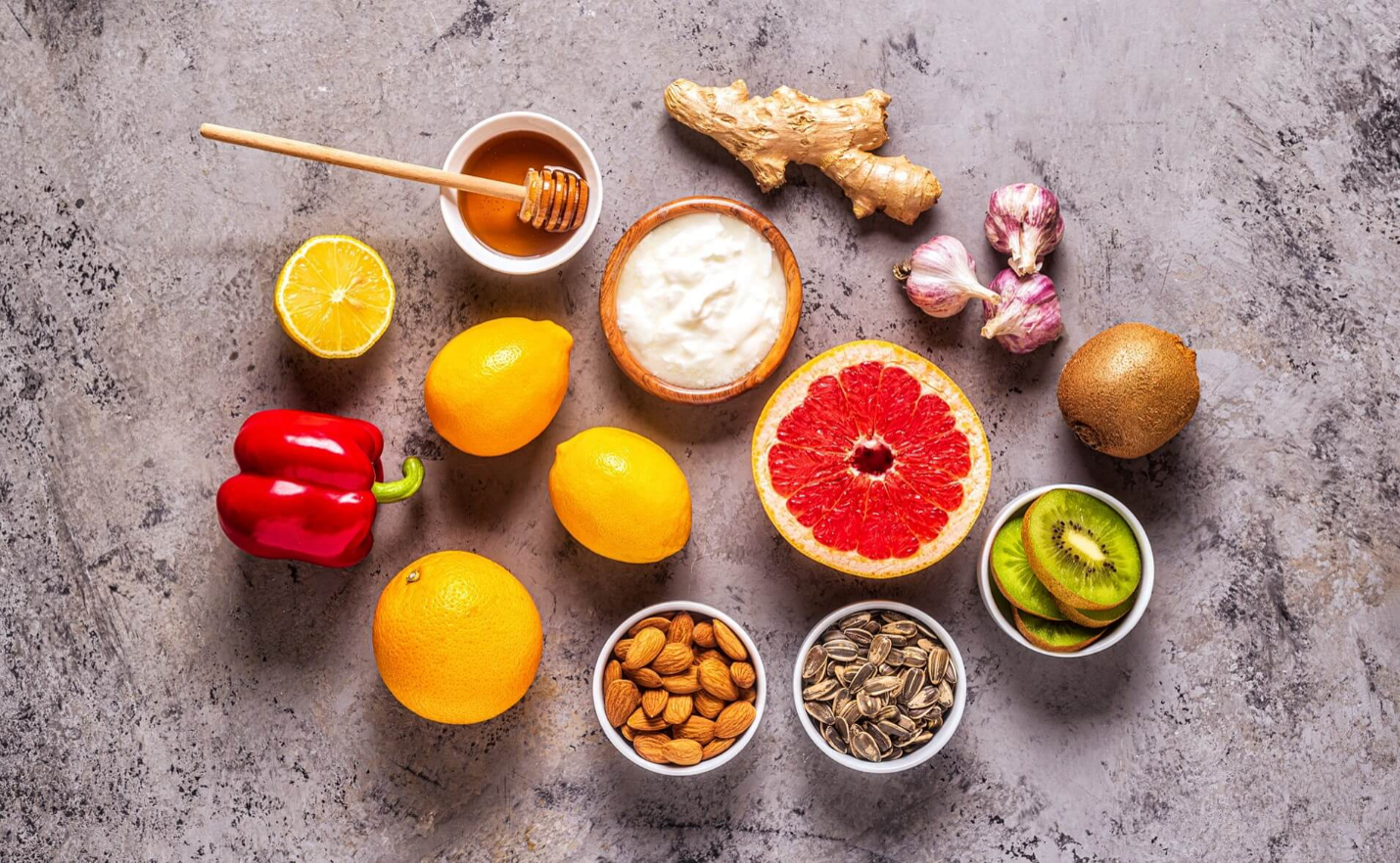
In reality, it’s usually the least exciting measures that provide the most effective results with simple physical interventions like regular handwashing alongside a weaker but effective Zinc addition providing the most effective results. As a general consensus, it's advisable to maintain a healthy sleep cycle, a varied diet with fruits alongside healthy eating and staying home when feeling unwell alongside the seasonal vaccination as the most basic precautions to maintaining immunity in winters. And the best part? None of these will ever make it to a marketing campaign or leave a hefty mark on your pockets!
Conclusion
In the current supplement and booster industry, winter immunity boosters provide larger promises against small gains. Zinc Lozenges might aid to shorten a cold and regular vitamin C could trim it shortly while Vitamin D, echinacea and elderberry have little evidence to support their effectiveness as opposed to what's typically promised in marketing advertisements. If you're wondering whether to spend money behind boosters, it might be a smarter choice to focus on a healthier diet, sound sleep cycle and managing deficiency instead of choosing a packaged winter immunity booster.
Latest Posts