
Your Mind Matters The Hidden Link Between Mental Wellness & Healthy Living
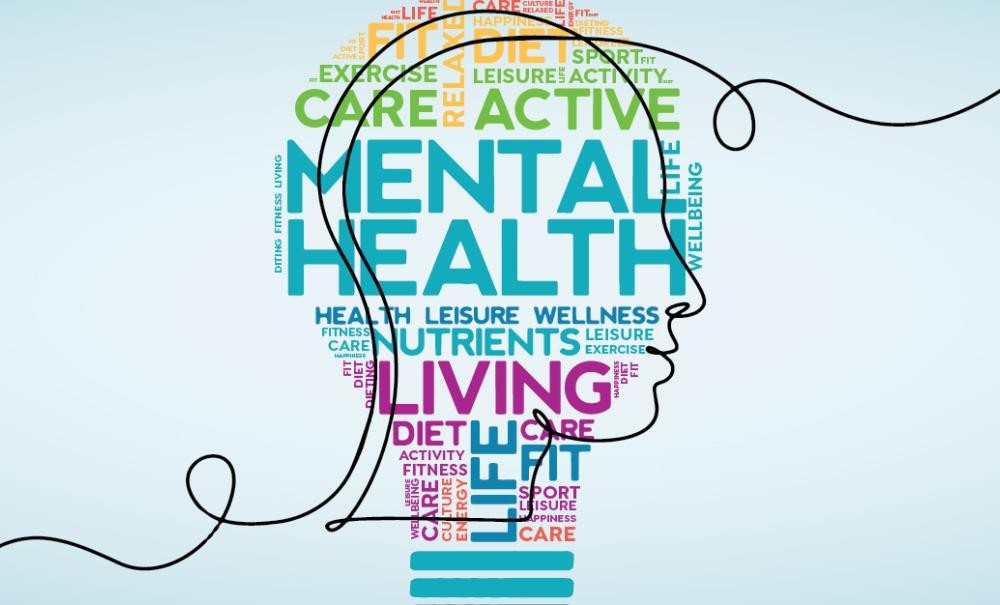
Mental wellness is not just about avoiding stress or feeling happy all the time. It shapes how we make decisions, how our body responds to illness, how consistent we are with healthy habits, and even how long we live. The connection between mental well-being and physical health is deep, complex, and undeniable. When the mind thrives, the body follows.
Understanding Mental Wellness Beyond Stress Management
Mental wellness is commonly misunderstood as simply the absence of anxiety or depression. In reality, it is about balance. It includes emotional stability, clarity of thought, resilience during challenges, and the ability to cope with daily pressures in a healthy way.
A mentally well person may still face stress, setbacks, and difficult emotions, but they are better equipped to handle them without feeling overwhelmed. This inner balance influences everyday choices—from food and sleep to relationships and self-care. When the mind is neglected, even the best health routines tend to fall apart.
How Mental Health Directly Impacts Physical Health
The mind and body are not separate systems working independently. They are deeply interconnected. Chronic stress, unresolved anxiety, and emotional exhaustion can trigger physical responses such as high blood pressure, weakened immunity, digestive problems, and persistent fatigue.
Stress hormones like cortisol, when constantly elevated, disrupt sleep patterns, increase inflammation, and encourage unhealthy cravings. Over time, this can lead to lifestyle-related conditions such as obesity, diabetes, and heart disease. On the other hand, a calm and balanced mind supports better hormonal regulation, stronger immunity, and faster recovery from illness.
Mental wellness also affects pain perception. People with poor mental health often experience physical discomfort more intensely, while those with emotional balance tend to manage pain and illness more effectively.
The Role of Mental Wellness in Daily Habits
Healthy living is built on consistency, not perfection. Mental well-being plays a crucial role in maintaining that consistency. When the mind is overwhelmed or emotionally drained, even simple tasks like preparing a nutritious meal or going for a walk can feel exhausting.
A healthy mind encourages self-discipline without self-punishment. It allows people to listen to their body, respect their limits, and make mindful choices instead of reactive ones. This leads to sustainable habits rather than short-lived health phases.
Mental clarity also improves decision-making. People who prioritize mental wellness are more likely to choose foods that nourish them, establish regular sleep routines, and avoid destructive coping mechanisms such as emotional eating or substance dependence.
Emotional Health and Its Effect on the Body
Emotions that are suppressed or ignored do not disappear; they often manifest physically. Long-term emotional stress can contribute to headaches, muscle tension, digestive issues, and chronic fatigue. Emotional awareness and expression, on the other hand, help release this internal pressure.
Practices that support emotional health—such as journaling, talking openly, or quiet self-reflection—can significantly reduce physical symptoms linked to stress. When emotions are processed in a healthy way, the body remains in a more relaxed and balanced state.
Positive emotional states like gratitude, calmness, and optimism are also associated with lower inflammation levels and better heart health. This highlights how emotional well-being is not just a mental state but a physical advantage.
Sleep, the Bridge Between Mind and Body
Sleep is one of the strongest examples of how mental and physical health intersect. A restless mind often leads to poor sleep, while lack of sleep further damages mental clarity and emotional stability. This cycle can be difficult to break without addressing mental wellness.
Quality sleep supports mood regulation, memory, metabolism, and immune function. A calm mind allows the body to enter deeper, more restorative sleep stages. Small mental wellness practices before bedtime, such as reducing screen time or calming the mind, can dramatically improve overall health.
Without mental peace, even long hours of sleep may feel unrefreshing. True rest begins in the mind.
Movement as a Tool for Mental Balance
Physical activity is often recommended for weight management or fitness, but its mental health benefits are equally powerful. Regular movement releases endorphins, improves mood, reduces anxiety, and enhances focus.
When exercise is approached as a form of self-care rather than punishment, it becomes a sustainable habit. Mental wellness helps shift this perspective. Instead of exercising out of guilt or pressure, individuals move their bodies because it feels good and supports their emotional balance.
This positive relationship with movement reduces burnout and increases long-term commitment to an active lifestyle.
The Importance of Mindfulness in Healthy Living
Mindfulness is not about being perfect or constantly calm. It is about awareness—of thoughts, emotions, and physical sensations. Practicing mindfulness helps people recognize unhealthy patterns before they escalate.
Being mindful encourages slower eating, better stress responses, and a deeper connection with one’s body. It allows individuals to notice early signs of burnout, fatigue, or emotional overload and take action before physical symptoms appear.
Over time, mindfulness strengthens the mind-body connection, making healthy living feel more natural rather than forced.
Building a Lifestyle That Supports Both Mind and Body
Healthy living should never feel like a constant struggle. When mental wellness is prioritized, health becomes more intuitive and enjoyable. Small actions such as setting boundaries, allowing rest, and practicing self-compassion have a profound impact on physical health.
Mental wellness does not require drastic changes. Even brief moments of stillness, intentional breathing, or disconnecting from constant stimulation can restore balance. These small shifts gradually reshape habits, energy levels, and overall well-being.
A lifestyle that nurtures the mind naturally supports the body. The two grow stronger together.
Conclusion: Health Begins Within
The path to healthy living does not start in the kitchen or the gym—it starts in the mind. Mental wellness influences how we care for our bodies, how we respond to stress, and how consistently we show up for ourselves.
Ignoring mental health while chasing physical wellness creates imbalance. But when the mind is supported, the body responds with strength, resilience, and vitality. True health is not about doing more; it is about aligning the mind and body in a way that feels sustainable and kind.
Your mind matters more than you think. When you take care of it, everything else begins to fall into place.
Latest Posts